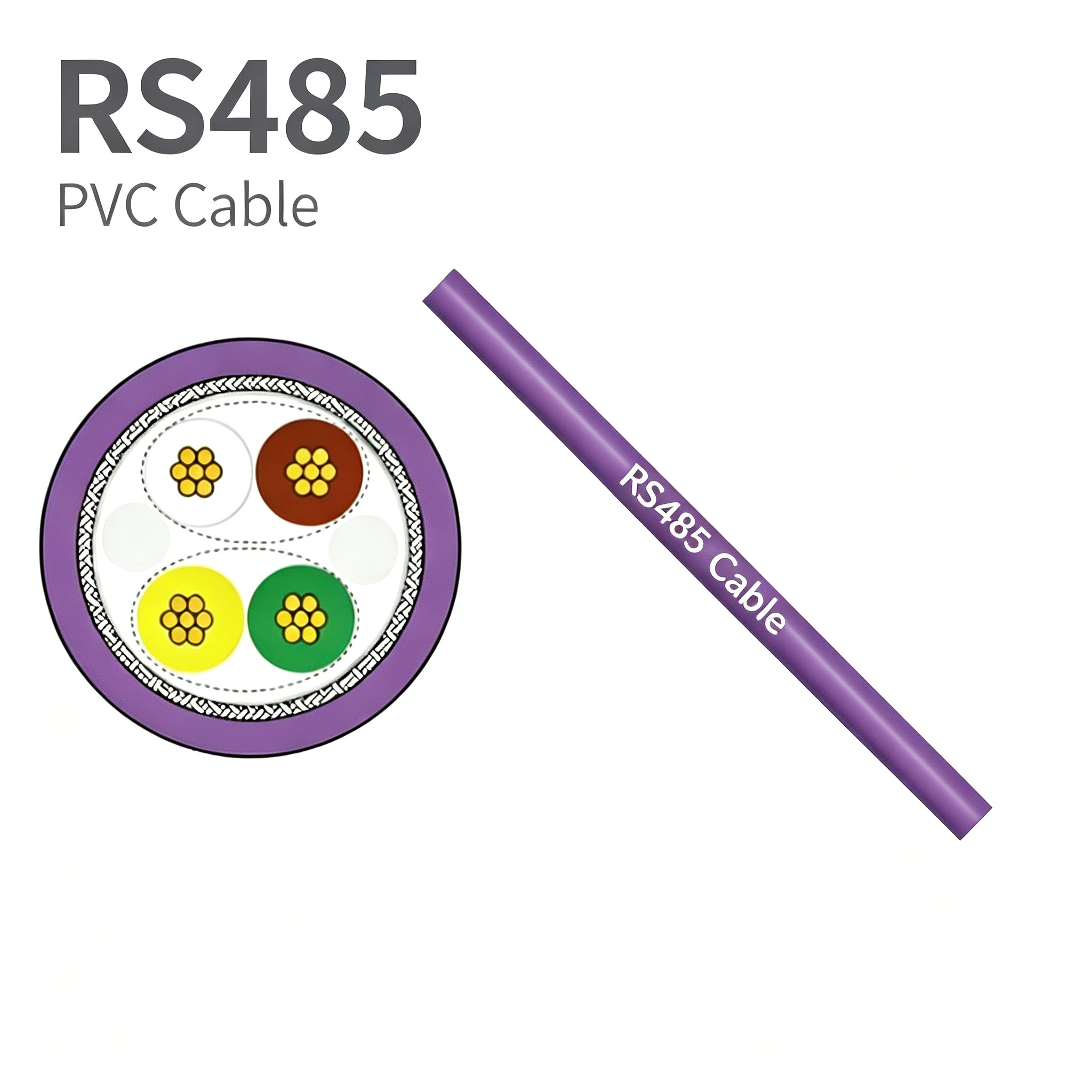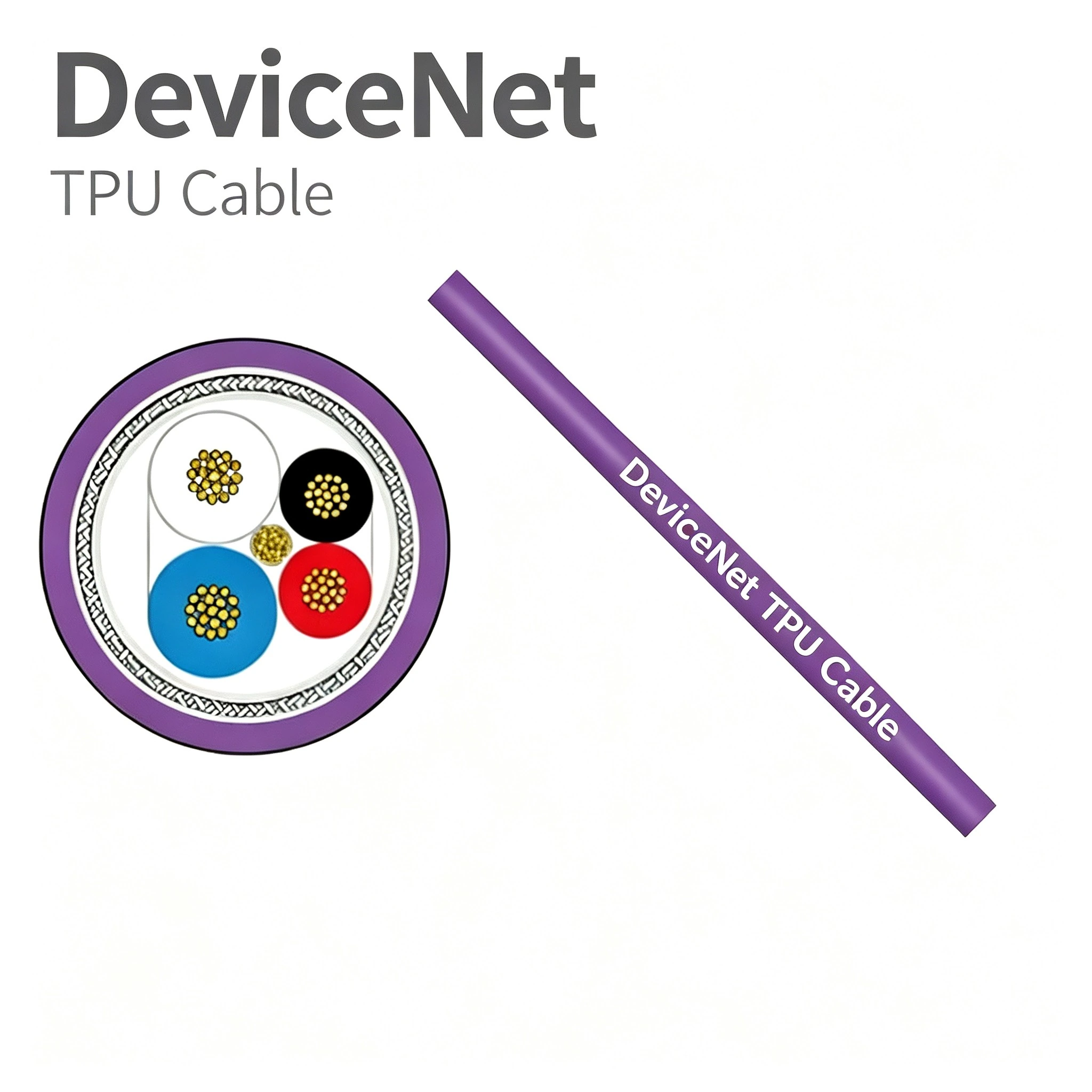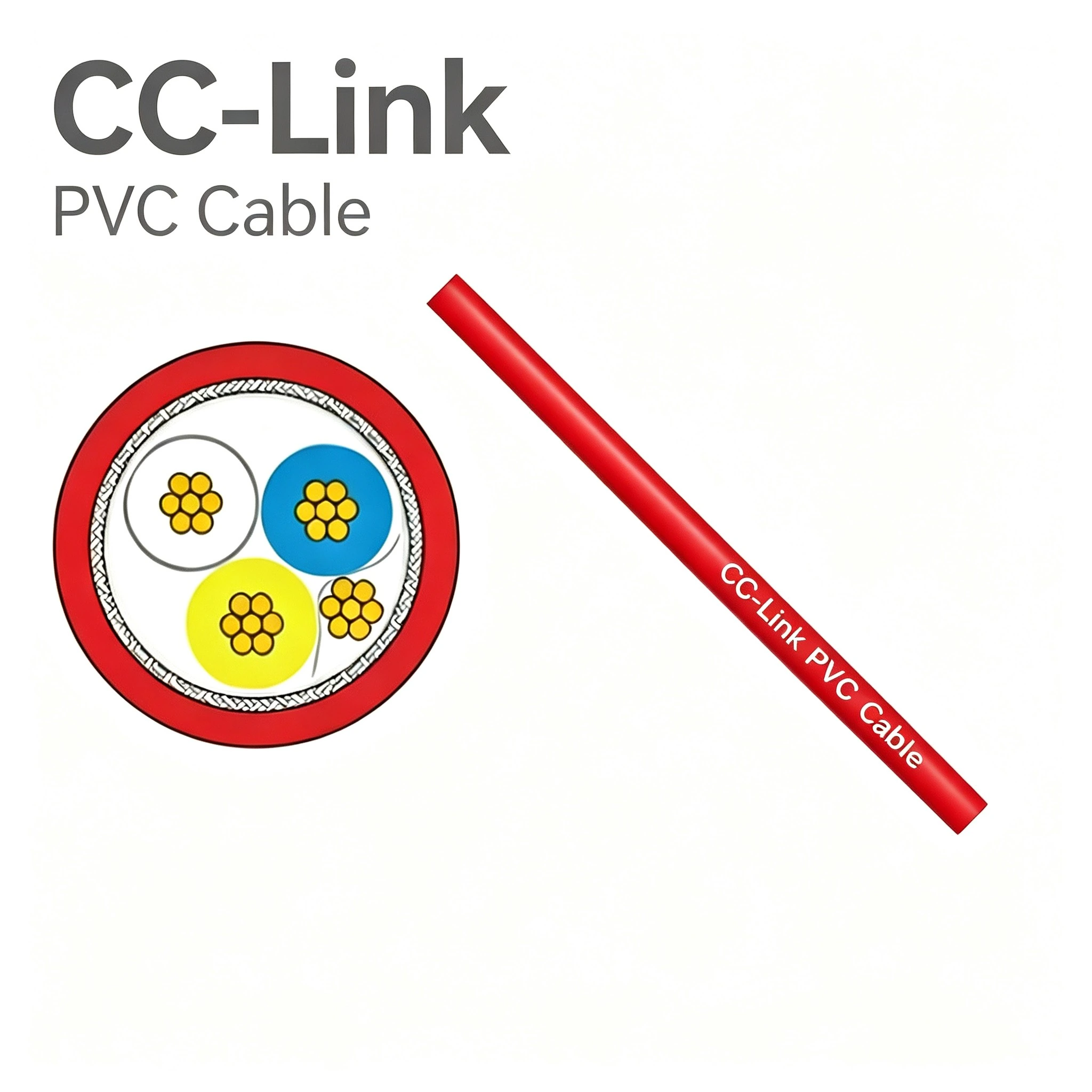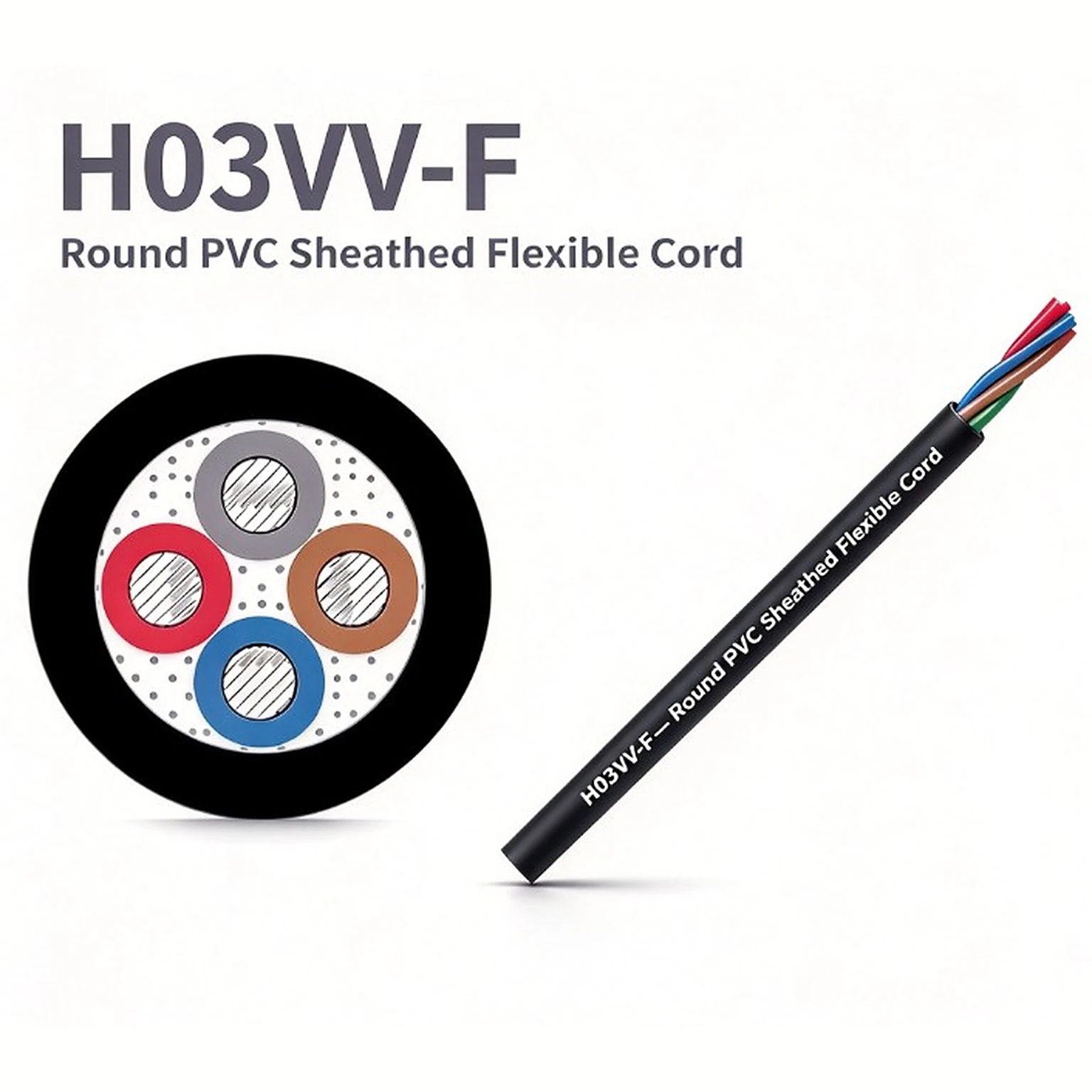


Xiamen Kabasi Electric Co., Ltd. is one of the most reliable manufacturers and suppliers of can-bus cable in China. If you're going to buy bulk durable cables made in China, welcome to get pricelist from our factory. All customized cables are with high quality and competitive price.
Lead Paragraph
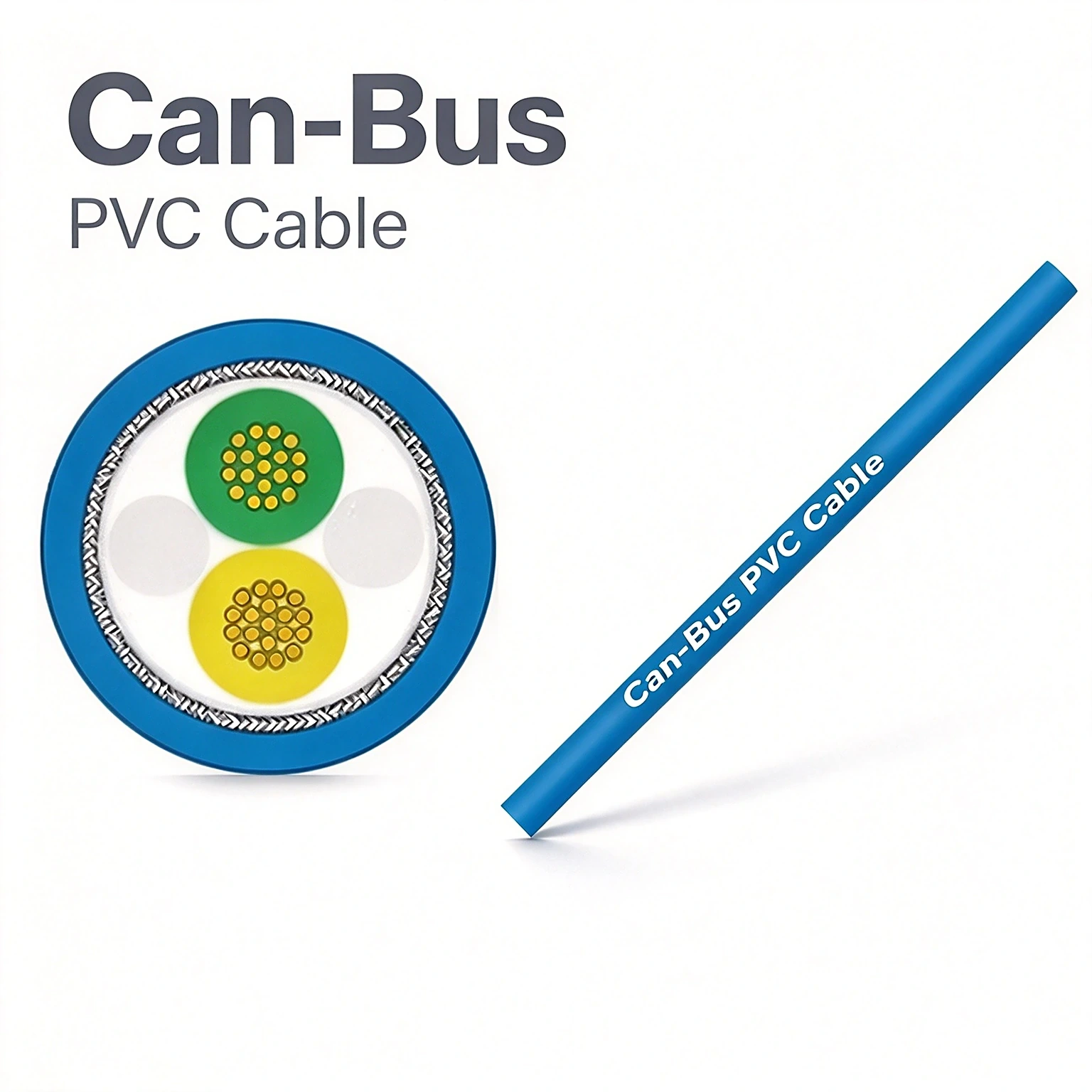
The Can-Bus cable is the shielded bus cable used to network controllers, controller-level devices and field equipment. It is offered in two variants - Can-Bus PVC and Can-Bus TPU - built on a stranded tinned copper conductor, a foamed PE insulation and a shield of aluminium foil plus braided copper - tinned copper on the TPU variant, which holds the characteristic impedance at 120 ± 12 Ω across the rated band. The range is rated 300 V, works from −40 °C to +80 °C and meets the flame-retardant requirement of IEC 60332-1. Two figures are not common to the whole range: test voltage and impedance band are stated per item rather than as one set of figures for the series.
Select Your Variant
In short: Can-Bus TPU = Can-Bus PVC with a TPU outer jacket and a different core colour set. Rated voltage, temperature range, bending radii, conductor, insulation and flame retardancy are identical across the range; the jacket compound, the jacket colour, the core colours, the braid (copper on the PVC variant, tinned copper on the TPU variant) and - on one of the two TPU part numbers - the test voltage and impedance band are what differ.
2.1 By Application Requirement
| Requirement | Recommended Variant | Typical Application |
| Standard PVC outer jacket | Can-Bus PVC | Fieldbus systems in automation technology and integrated control |
| TPU outer jacket specified for the installation | Can-Bus TPU | Fieldbus systems in automation technology and integrated control |
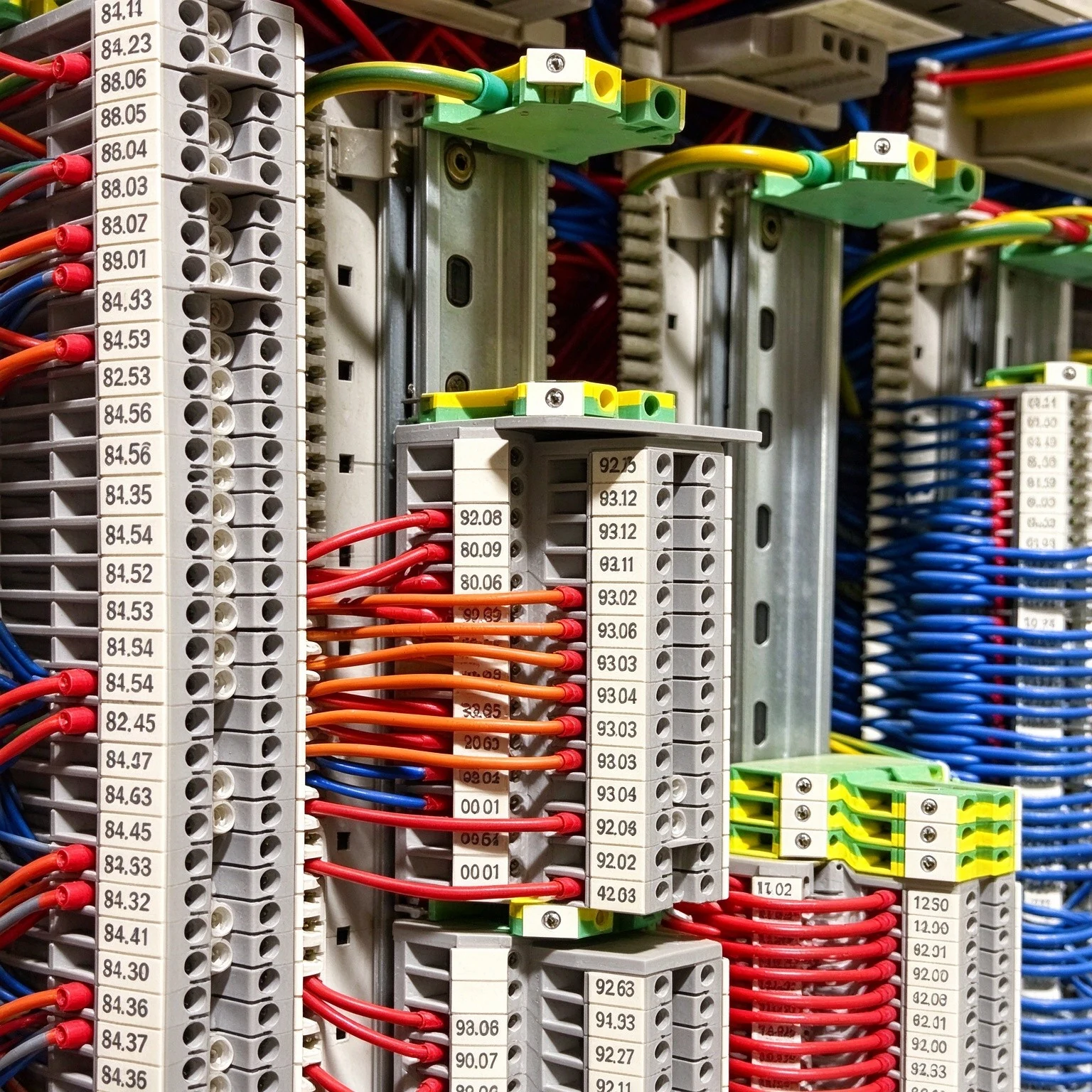
| Cores carrying the yellow / green identification | Can-Bus PVC | Networking in the textile, construction-machinery and medical sectors |
| Cores carrying the red / blue / white identification | Can-Bus TPU | Networking in the textile, construction-machinery and medical sectors |
| Jacket compound not constrained by the specification | Either variant | The variants share the 300 V rating, the temperature range and the conductor and insulation build, so either may be quoted |
2.2 By Jacket Compound
- PVC outer jacket: blue across the range, over yellow and green cores: Can-Bus PVC
- TPU outer jacket: blue where the cores are red, blue and white, violet RAL 4005 where the cores are yellow/green and white/brown: Can-Bus TPU
Typical Applications

Why Choose the Can-Bus PVC / TPU Series
The Impedance Window Runs from 1 MHz to 16 MHz
The characteristic impedance is 120 ± 12 Ω across the range, quoted over the band each configuration actually works in: 1 to 10 MHz on the two PVC items and on the one-pair-plus-one-core TPU item, 1 to 16 MHz on the two-pair TPU item. It is a window with a frequency attached rather than a single nominal figure, so it can be read straight against the band the bus runs at.
Shielding, Interference and Transmission
The shield is aluminium foil plus a braided copper screen - bare copper on the PVC variant, tinned copper on the TPU variant - which gives the cable good resistance to external electromagnetic interference and superior transmission performance, what a bus segment running beside drives needs.
Electrical Headroom
The range is rated 300 V throughout. Test voltage is quoted per configuration: 2000 V/min (AC) on the two PVC items and on the one-pair-plus-one-core TPU item, 500 V/min (AC) on the two-pair TPU item. Conductor DC resistance reaches ≤28.6 Ω/km on the 18 AWG PVC item, with ≤40 Ω/km on the 20 AWG items and ≤60 Ω/km on the 22 AWG two-pair item.
Environment and Installation
−40 °C to +80 °C across the range, flame retardancy to IEC 60332-1, and a minimum bending radius of 10 × OD for fixed installation and 15 × OD where the run flexes; the duty is fixing applications or occasionally mobile applications. All four part numbers share the same temperature, bending and flame-retardant requirements.
Frequently Asked Questions
Q: What is the difference between the PVC and the TPU variant?
A: The outer jacket compound, the jacket colour and the core colour set. The PVC variant is blue with yellow and green cores under a bare copper braid; the TPU variant is blue with red, blue and white cores on its one-pair-plus-one-core item, and violet (RAL 4005) with yellow/green and white/brown cores on its two-pair item, both under a tinned copper braid. Rated voltage, temperature range, bending radii, conductor and insulation are identical across the range; check the test voltage and the impedance band of the individual item, because the two TPU items differ on both.
Q: What characteristic impedance does the cable have
A: 120 ± 12 Ω, stated over the rated band of the item rather than at a single frequency: 1 to 10 MHz on the two PVC items and on the blue one-pair-plus-one-core TPU item, 1 to 16 MHz on the two-pair TPU item.
Q: Can the cable be used where the run moves?
A: The duty is fixing applications or occasionally mobile applications. The minimum bending radius is 10 × OD for fixed installation and 15 × OD where the run flexes.
Q: How are the cores identified?
A: With up to 5 cores, identification is by insulation colour; above 5 cores the cores carry white numbers, and identification can also be produced to the customer's requirement. On the range as listed, the PVC variant carries yellow and green cores, the blue TPU item carries red, blue and white, and the violet TPU item carries yellow/green and white/brown.
Q: What are the rated and test voltages?
A: The range is rated 300 V throughout. Test voltage is specified per item: 2000 V/min (AC) on the two PVC items and on the blue one-pair-plus-one-core TPU item, 500 V/min (AC) on the two-pair TPU item.
Q: What temperature range applies?
A: −40 °C to +80 °C on every item in the range.
Hot Tags: can-bus cable, China can-bus cable suppliers
Common Specifications and Per-Item Ratings
| Parameter | Value |
| Rated voltage | 300 V |
| Test voltage | 2000 V/min (AC) on the two PVC items and on the blue one-pair-plus-one-core TPU item; 500 V/min (AC) on the two-pair TPU item |
| Characteristic impedance | 120 ± 12 Ω - 1–10 MHz on the two PVC items and on the blue one-pair-plus-one-core TPU item; 1–16 MHz on the two-pair TPU item |
| Conductor DC resistance (20 °C) | ≤40 Ω/km on the 20 AWG PVC item and on the blue one-pair-plus-one-core TPU item; ≤28.6 Ω/km on the 18 AWG PVC item; ≤60 Ω/km on the two-pair TPU item |
| Conductor | Stranded tinned copper |
| Insulation | Foamed PE |
| Shield | Aluminium foil plus braided copper - bare copper on the PVC variant, tinned copper on the TPU variant |
| Interference and transmission | Good resistance to external electromagnetic interference, with superior transmission performance |
| Temperature range | −40 °C to +80 °C |
| Minimum bending radius - fixed installation | 10 × OD |
| Minimum bending radius - flexing | 15 × OD |
| Flame retardancy | Meets the requirements of IEC 60332-1 |
| Duty | Fixing applications or occasionally mobile applications |
| Core identification | Up to 5 cores by insulation colour; above 5 cores white numbers, or to customer requirement |
| Variants in the range | 2 - PVC outer jacket and TPU outer jacket; the TPU range covers two items, one blue and one violet (RAL 4005) |
Product Structure
| Layer | Can-Bus PVC | Can-Bus TPU |
| ① Conductor | Stranded tinned copper | |
| ② Insulation | Foamed PE | |
| ③ Core colours | Yellow, green | Red, blue, white on the one-pair-plus-one-core item; yellow/green and white/brown on the two-pair item |
| ④ Shield | Aluminium foil plus copper braid | Aluminium foil plus tinned copper braid |
| ⑤ Outer jacket | PVC | TPU |
| ⑥ Outer jacket colour | Blue | Blue on the one-pair-plus-one-core item; violet RAL 4005 on the two-pair item |
Variant Differences
| Parameter | Can-Bus PVC | Can-Bus TPU |
| Outer jacket compound | PVC | TPU |
| Outer jacket colour | Blue on the range | Blue on the (1P+1C) item; violet RAL 4005 on the 2X2X22AWG item |
| Core insulation colours | Yellow, green | Red, blue, white on the (1P+1C) item; yellow/green and white/brown on the 2X2X22AWG item |
| Configurations listed | 1X2X20AWG/19 and 1X2X18AWG/19 | (1P+1C) x20AWG/19 and 2X2X22AWG/7 |
| Test voltage | 2000 V/min (AC) | 2000 V/min (AC) on the one-pair-plus-one-core item; 500 V/min (AC) on the two-pair item |
| Characteristic impedance | 120 ± 12 Ω (1–10 MHz) | 1–10 MHz on the one-pair-plus-one-core item; 1–16 MHz on the two-pair item |
| Conductor DC resistance (20 °C) | ≤40 Ω/km on the 20 AWG item; ≤28.6 Ω/km on the 18 AWG item | ≤40 Ω/km on the one-pair-plus-one-core item; ≤60 Ω/km on the two-pair item |