

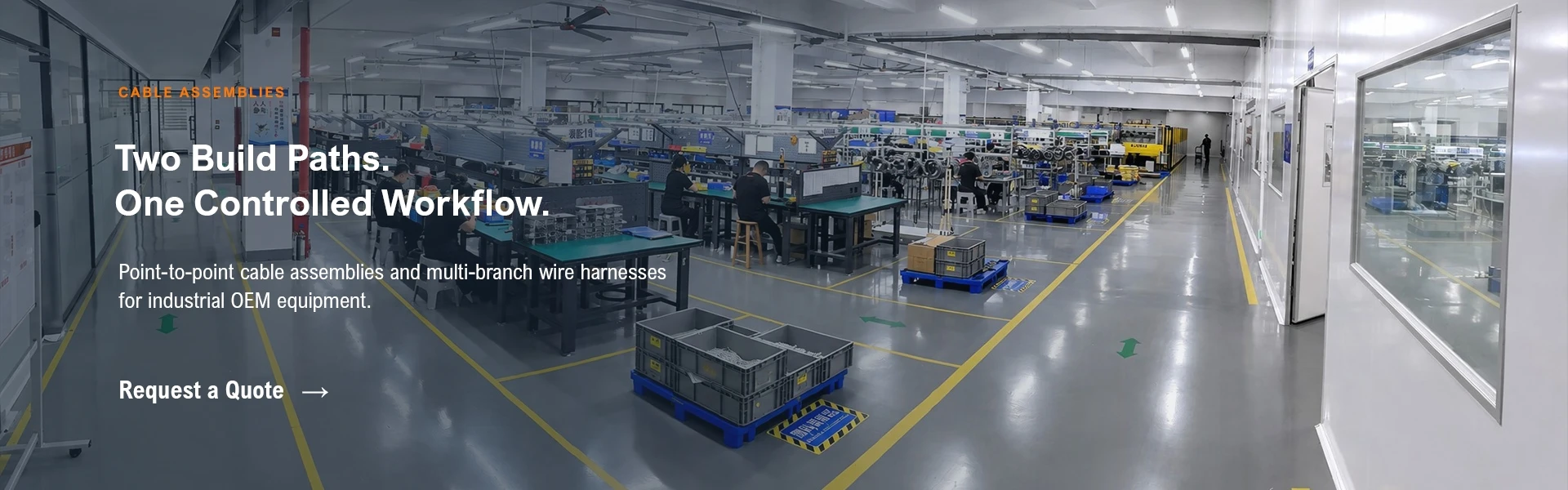
CABLE ASSEMBLY MANUFACTURING FOR INDUSTRIAL OEM PROJECTS
Cable Assembly Manufacturing from Drawing to Volume Production
|
KABASI manufactures point-to-point cable assemblies and multi-branch wire harnesses for industrial equipment and OEM projects. We coordinate approved cable and component sourcing, build-to-print assembly, tooling and electrical verification through one controlled project workflow. Send your latest drawing, wire list, BOM or reference sample for review. |
|
3,200+ m²
Manufacturing facility
|
50+
Employees
|
20+
Production machines
|
100%
Continuity verification
|
02 / CHOOSE YOUR BUILD
Point-to-Point Cable Assemblies or Multi-Branch Wire Harnesses
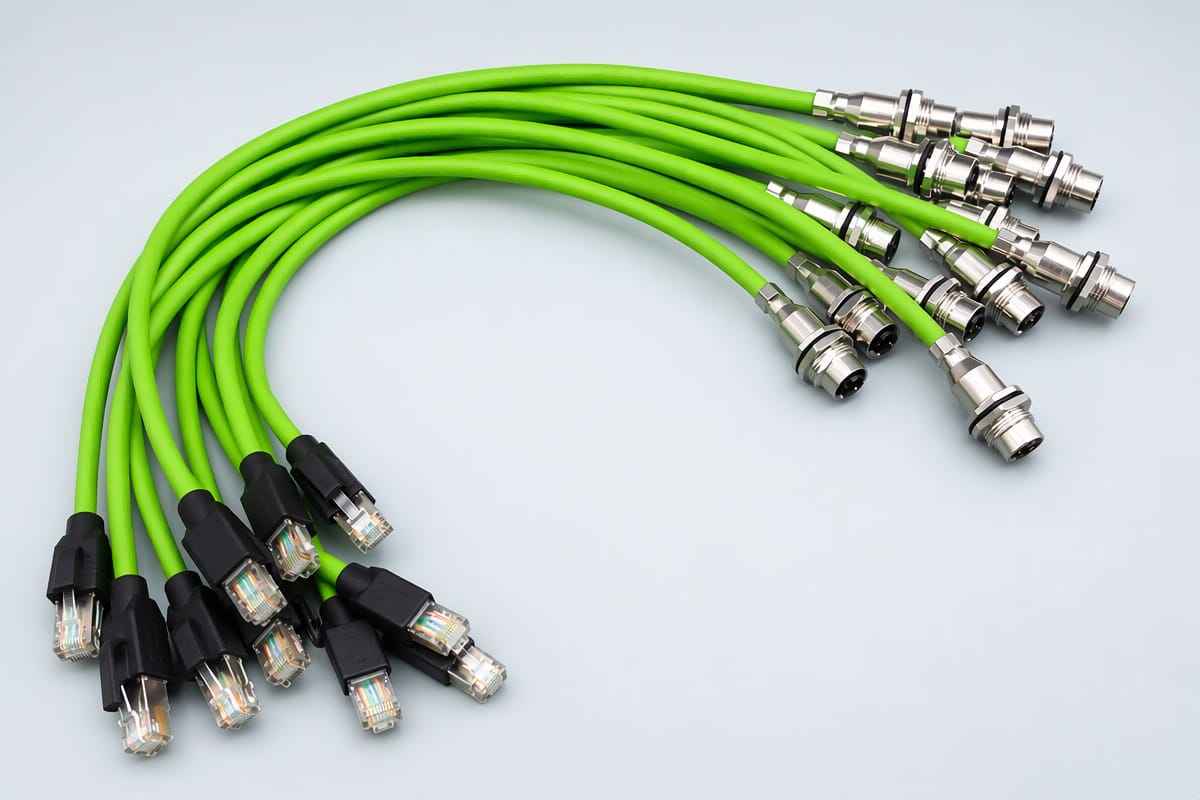
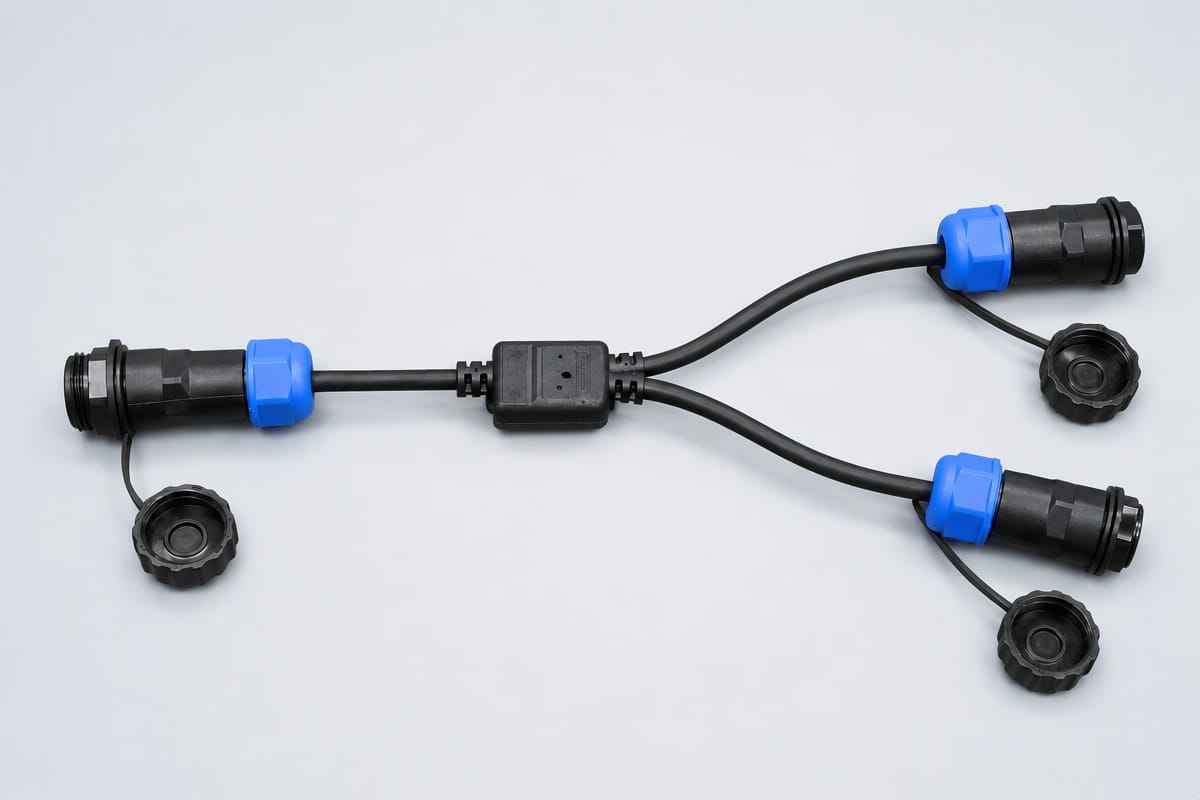
Industrial cable assemblies do not all use the same drawing, equipment or test logic. Select the wire and cable assembly path that matches the physical topology of your product. This prevents a single-cable inquiry from being mixed with a branched harness project.
03 / CAPABILITY MATRIX
What We Can Build - Capability Limits at a Glance
Use this matrix for an initial fit check. The approved drawing, selected materials, connector construction and required tests take priority over the typical ranges below.
| Capability | Typical working range | Release rule |
|---|---|---|
| Conductor size | 0.14–6.0 mm² standard; 6–16 mm² reviewed by application | Confirm tooling, terminal and test current |
| Finished length | 0.1–20 m standard; longer assemblies on review | Drawing reference points and tolerance take priority |
| Termination | Crimping, soldering, IDC, terminal block, field-wireable and overmolded options | Connector and conductor compatibility must be confirmed |
| Connector interfaces | Industrial circular connectors, D-sub, RJ45, terminals, housings, terminal blocks and customer-specified parts | Product approvals apply only to the exact part number |
| Cable and insulation | Bare or tinned copper; PVC, XLPE, silicone or PTFE insulated wire | Availability and MOQ checked during quotation |
| Jacket | PVC, PUR, TPE or silicone-jacketed cable | Selected against temperature, flexing, oil and abrasion |
| Shielding | Braid, foil, combined shield and drain-wire options | Grounding strategy must be defined |
| Protection | Heat-shrink, sleeving, conduit, tape, ties, clips, potting or overmolding when specified | Environmental claim requires agreed test conditions |
| Build input | Drawing, wire list, BOM, pinout, approved sample or dimensioned photo | Missing information returned as DFM questions |
Need something outside this range? Upload the drawing and required tests for an engineering review.
04 / ENGINEERING REVIEW
How We Review Your Drawing, BOM or Sample
|
Start with the latest information available for your project, including a drawing, BOM, wire list, pinout, specification, approved sample or dimensioned photo.
KABASI reviews the submitted information to identify missing dimensions, connection definitions, material requirements, tooling needs and test requirements. Open technical points are returned as DFM questions before the quotation and production scope are confirmed. |
05 / APPLICATION EXAMPLES
Custom Assemblies for Demanding Applications
From wet agricultural equipment to subsea and underground systems, each assembly was built around specific operating, connection and verification requirements.
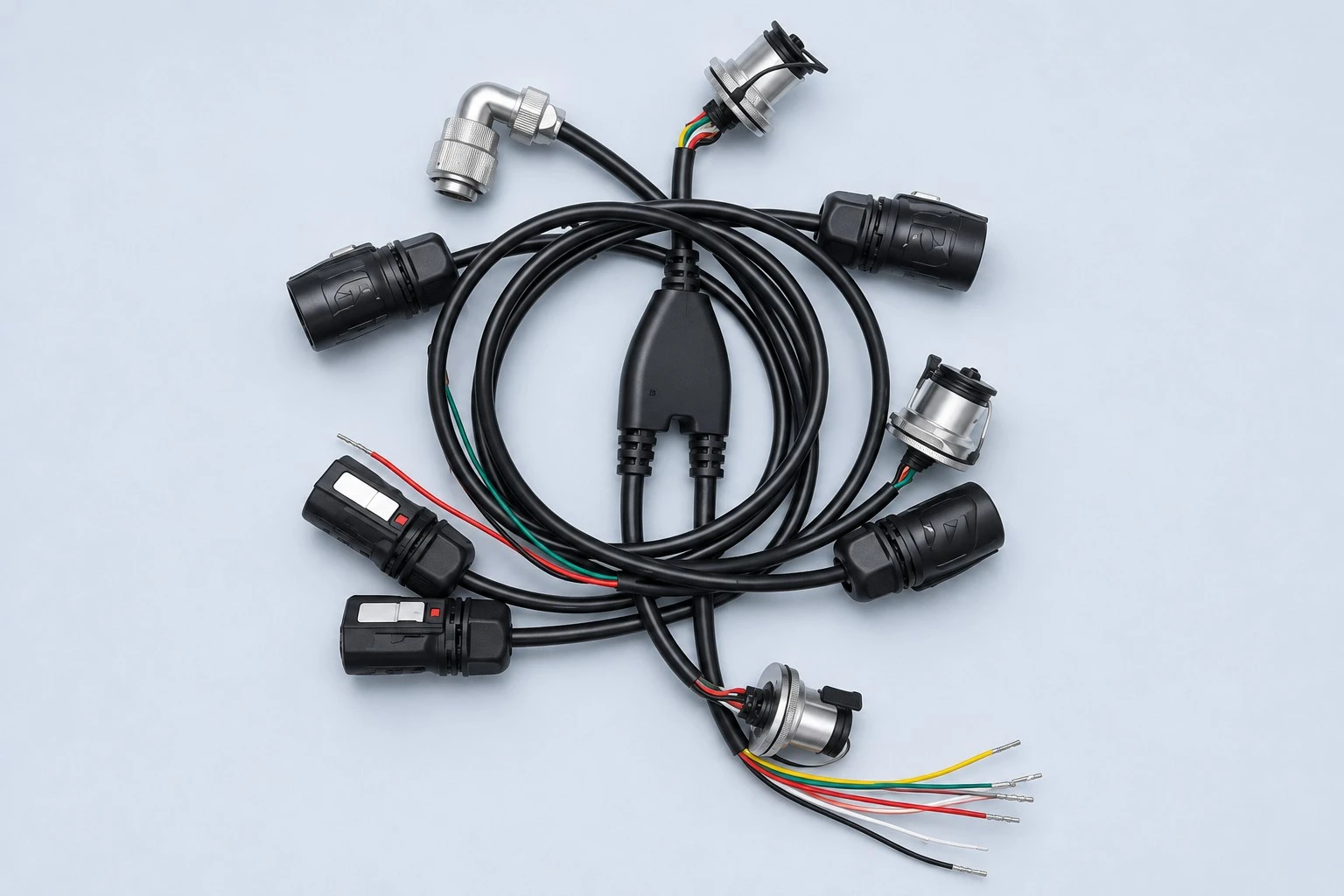
Waterproof Harness for Farming EquipmentWet Environments · Multi-Branch Harness Built for automated farming equipment exposed to wet conditions, this harness combines sealed connector interfaces with controlled branch routing and project-approved materials. |
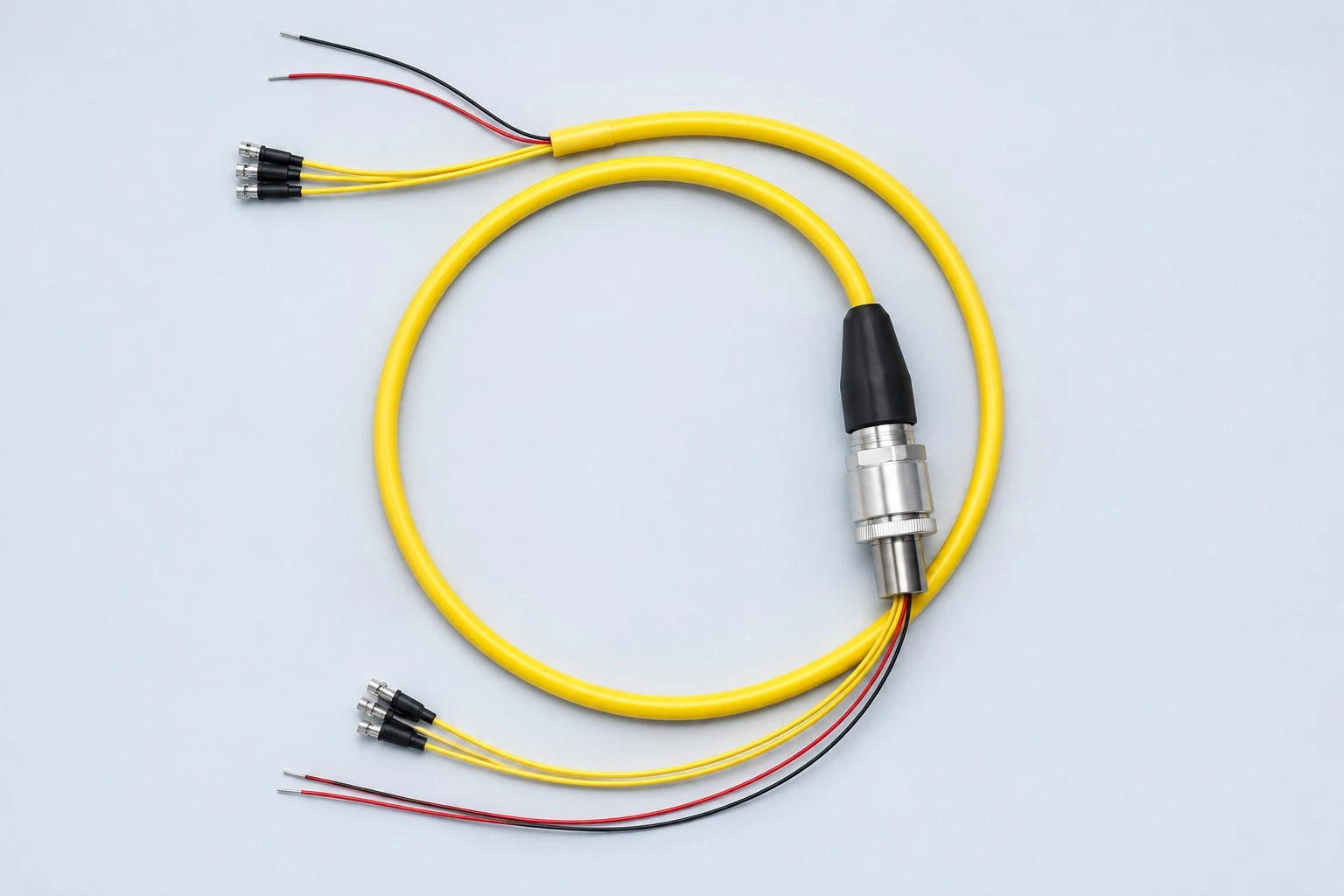
Hybrid Cable Assembly for Subsea EquipmentSubsea Exploration · Up to 1,000 m Built to carry optical signals and electrical power at water depths of up to 1,000 meters, this hybrid assembly uses longitudinal water blocking, protected fiber routing and a sealed metal interface. |
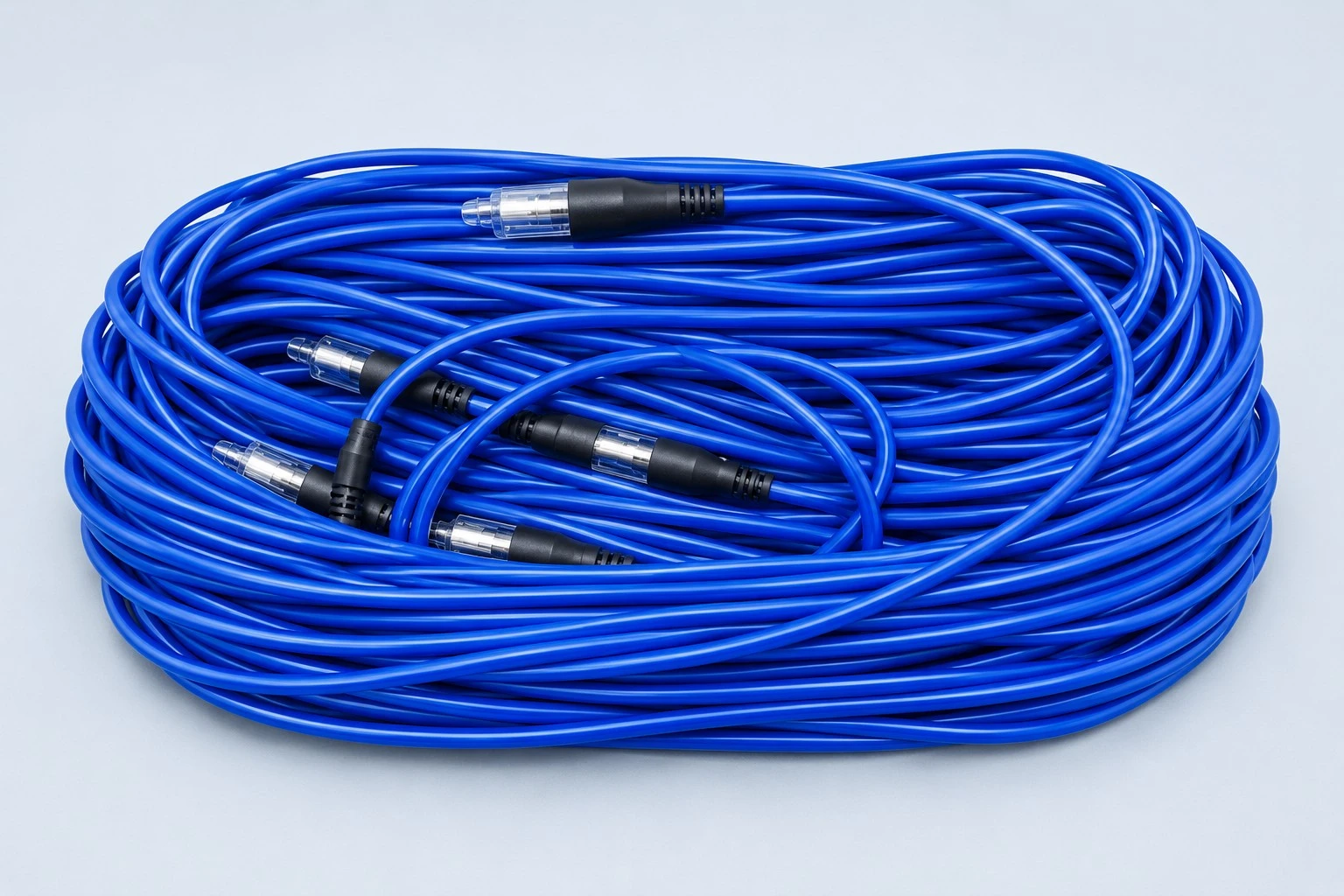
Multi-Node Harness for Exploration EquipmentUnderground Exploration · 160 m Harness Built for exploration instruments deployed 100–200 meters underground, this 160-meter harness provides 32 sealed connection nodes positioned at 5-meter intervals. |
||
| Customer Accepted 60,000-Unit Program · Follow-On Project |
Qualification Build Accepted Repeat Orders |
In Continuous Field Use Repeat Monthly Orders |
06 / MANUFACTURING PROCESS
From Cable Preparation to Final Assembly
The approved drawing, materials and work instructions define which steps your build requires.
01 / PREPARATION
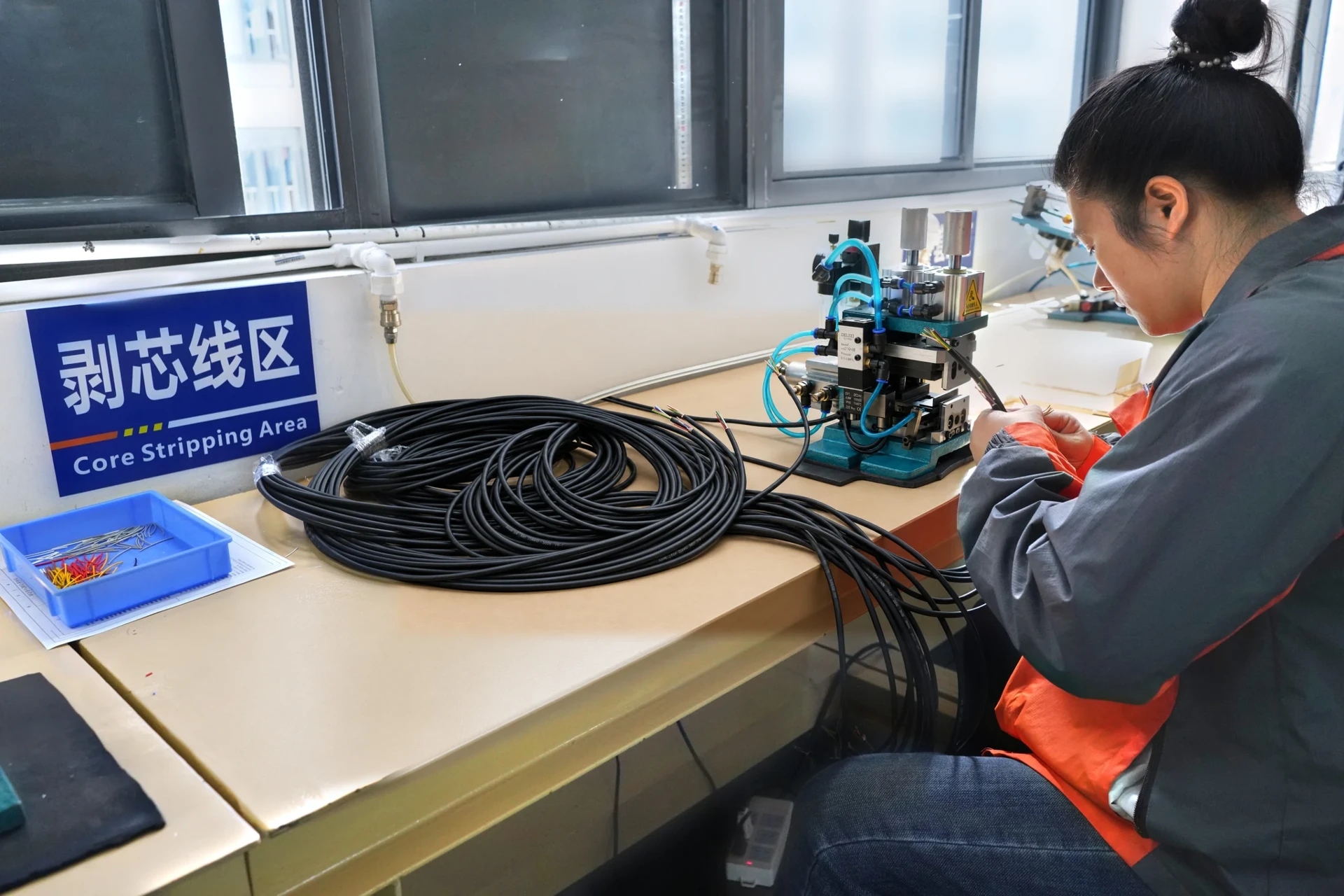
Wire and Cable Preparation
We cut and strip cable to the drawing and prepare conductors and shields as specified.
02 / TERMINATION
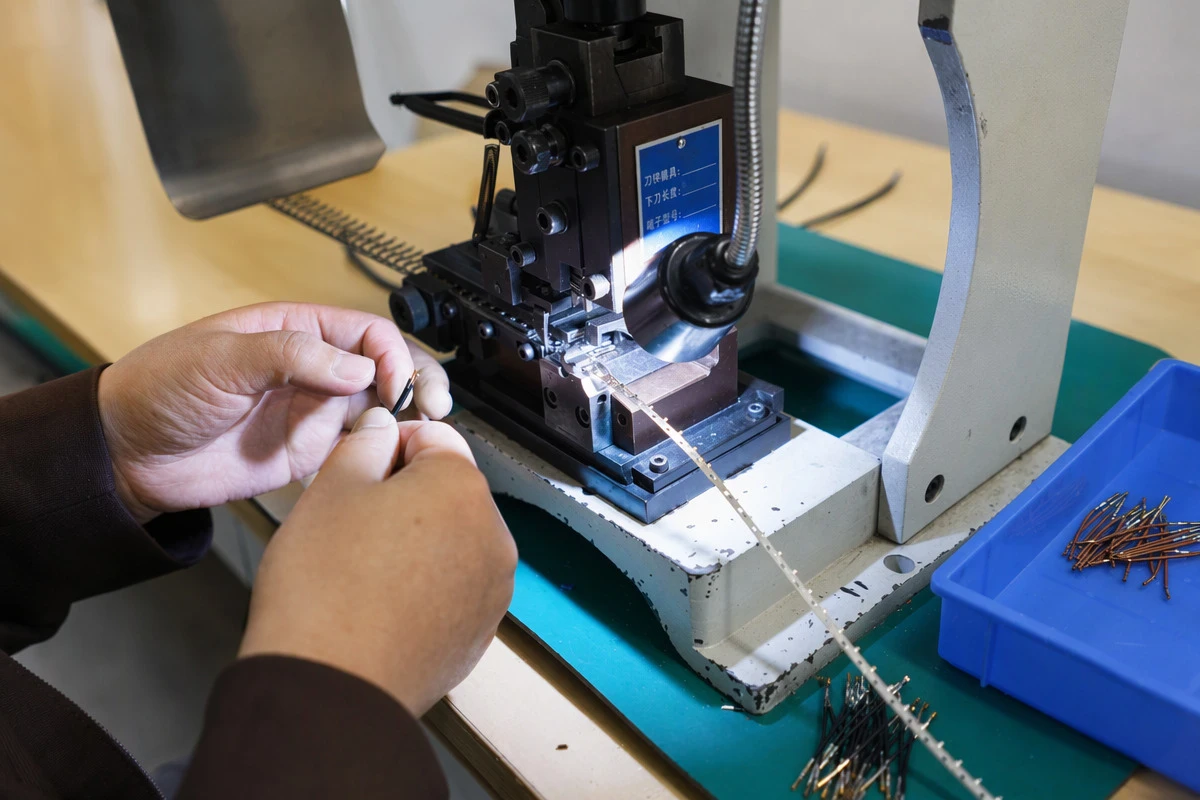
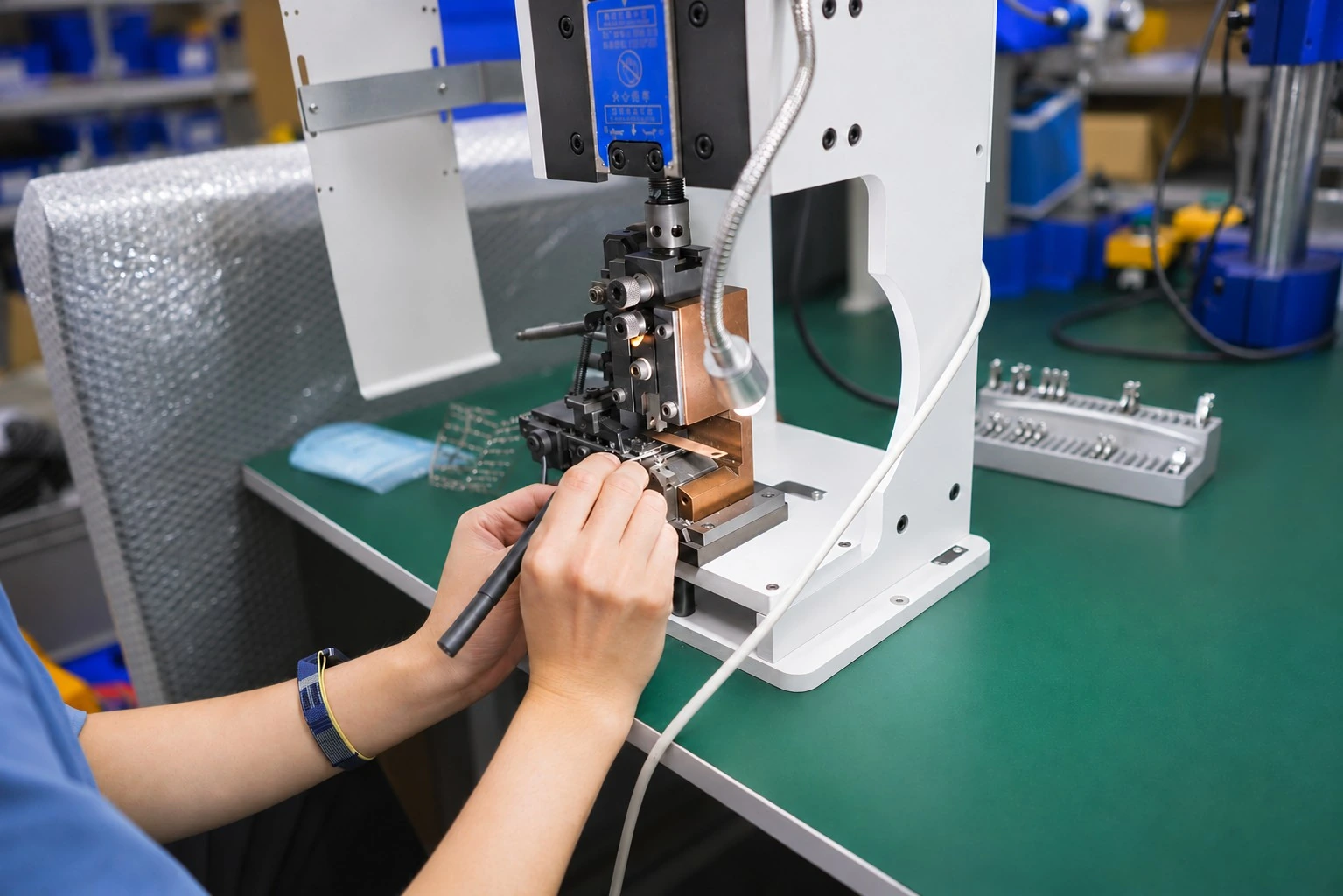
Crimping and Terminal Assembly
We match terminals, conductor sizes and applicators to the approved crimp design.
03 / SUB-ASSEMBLY
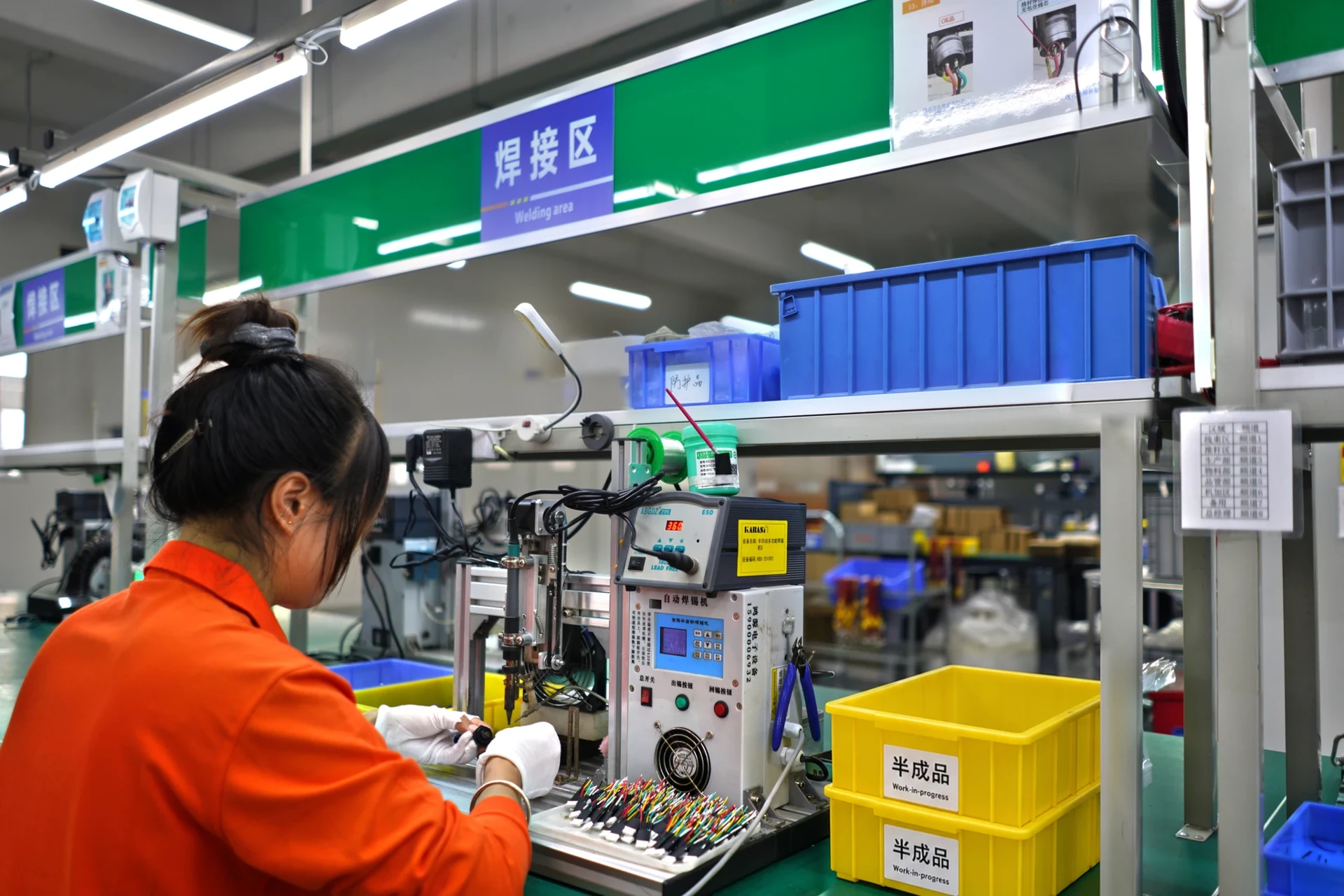
Soldering, IDC and Sub-Assembly
We assemble soldered contacts, IDC interfaces, housings and seals to the connector specification.

04 / PROTECTION
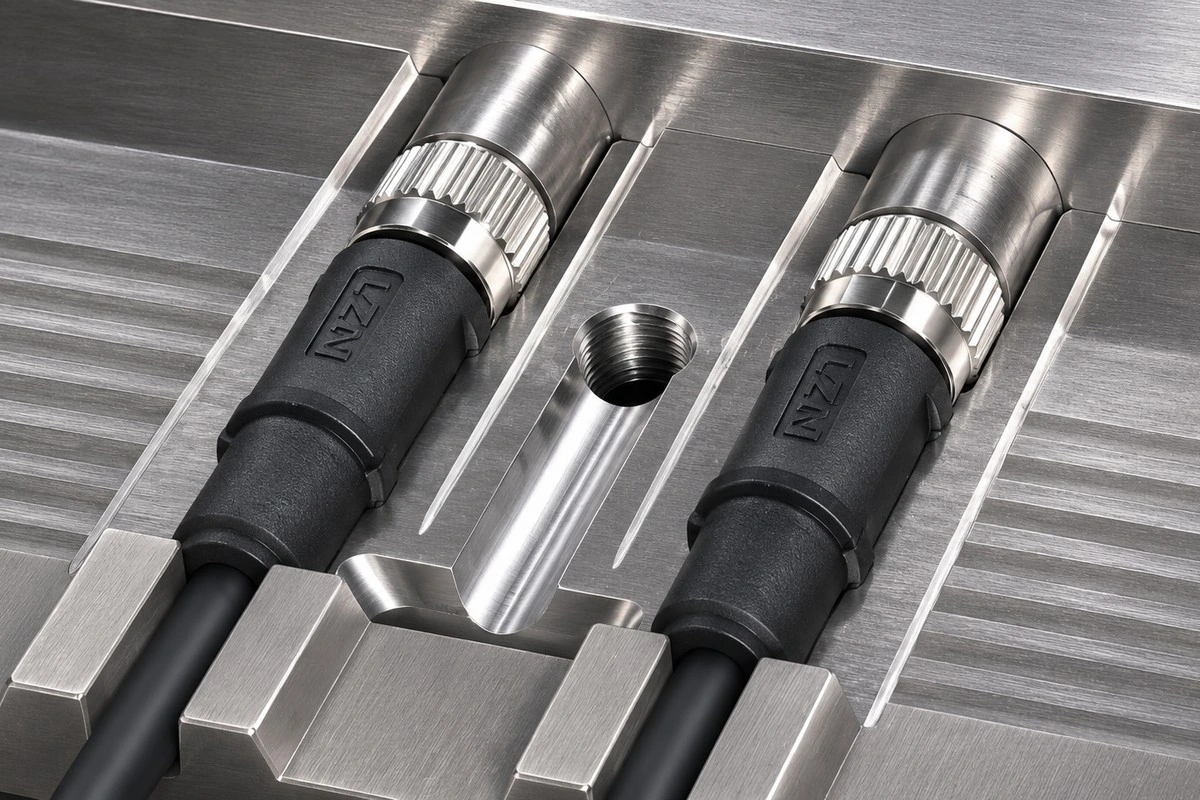
Sealing and Protection
We apply heat-shrink, grommets or potting where the build calls for extra protection.
05 / OVERMOLDING
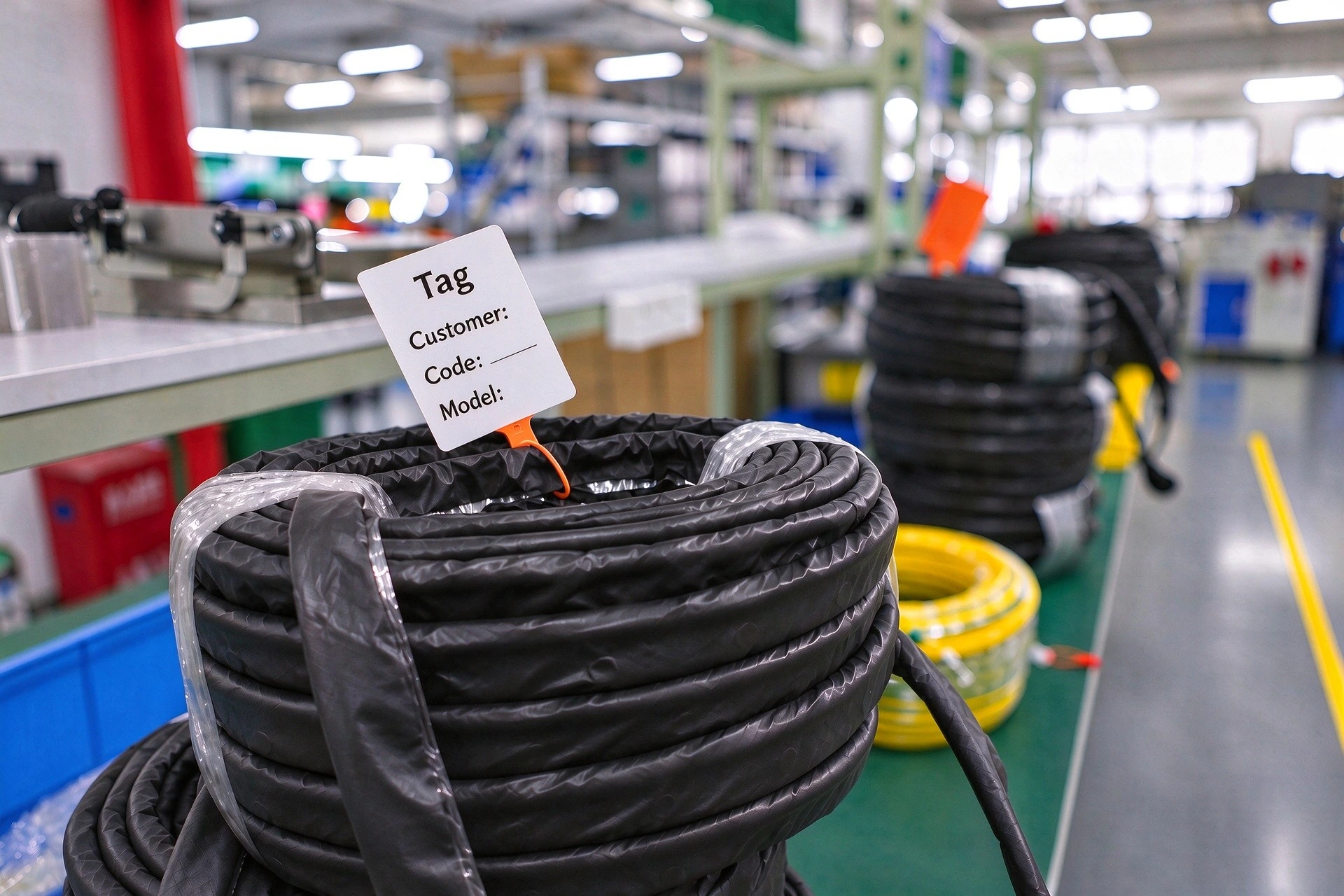
Connector Overmolding
We use project-specific tooling to mold strain relief and control the cable-to-connector transition.
06 / FINAL ASSEMBLY
Identification and Final Assembly
We add labels and routing hardware to the approved layout before inspection and electrical testing.
07 / BUILD TO PRINT
Clear Responsibilities from Approval to Production
Build-to-print production starts with an approved drawing, BOM, pinout and acceptance requirements. KABASI turns these inputs into controlled materials, work instructions, tooling, inspection and repeat-production records. You approve the product design, specified components, first article and engineering changes.
| KABASI Handles | You Provide or Approve |
|---|---|
| Review drawings, BOMs, wire lists, pinouts and reference samples | Latest controlled drawing or equivalent technical package |
| Identify termination, shielding, sealing, tooling and testability issues | Electrical function, interface definition and design intent |
| Source and prepare approved production materials | Specified part numbers, compliance requirements and approved alternatives |
| Build, identify and protect the assembly to approved instructions | Dimensions, tolerances, pin assignment, grounding and labeling rules |
| Prepare quoted fixtures, tooling, molds and test programs | Quantity, schedule, packaging and acceptance requirements |
| Submit the first article and agreed inspection records | First-article approval or documented changes |
| Control repeat production to the approved revision | Formal engineering changes and updated acceptance criteria |
Approved Material SourcesProjects may use KABASI-supplied, customer-supplied or mixed materials. Customer-specified cables and connectors are accepted, and any proposed alternative is submitted for approval before it enters the production BOM. |
Setup, Scrap and ReworkThe quotation can include material allowances for setup, sampling, destructive tests and tooling trials. Rework caused by manufacturing is handled separately from design changes, incorrect project data or defective customer-supplied materials. |
Revision ControlProduction follows the approved document revision. Changes to cable, connectors, pinouts, dimensions, protection, labels or acceptance requirements are reviewed before production documents are updated. |
08 / PROJECT PLANNING
Prototype, MOQ and Production Lead Time
Use the ranges below for initial project planning. Final MOQ and lead time are confirmed after the BOM, material availability, assembly complexity, tooling and documentation requirements have been reviewed.
| Project stage | Typical Planning Range |
|---|---|
| Feasibility review | Target 1–2 working days when documents are complete |
| Engineering prototypes | 1–5 pieces or sets |
| Standard production MOQ | From 2 pieces or sets for most custom projects |
| Pilot build | Commonly 20–200 pieces or sets |
| Repeat release | Up to approximately 5,000 pieces or sets per release, subject to complexity and materials |
| Standard Sample | 7–10 working days after document and material confirmation |
| Overmolded or Custom-Tooled Sample | 15–25 working days |
| Standard production lead time | 15–20 working days after first-article approval |
| Repeat production | Commonly 10–15 working days with a stable BOM and available materials |
The confirmed quotation will reflect material availability, termination count, required tooling, testing scope, documentation and release quantity.
Ready to Confirm Your Project Plan?
Send your drawing, quantity and target date for a project-specific review.
09 / QUALITY & FACTORY RESOURCES
Factory Resources for Controlled Production and Release
|
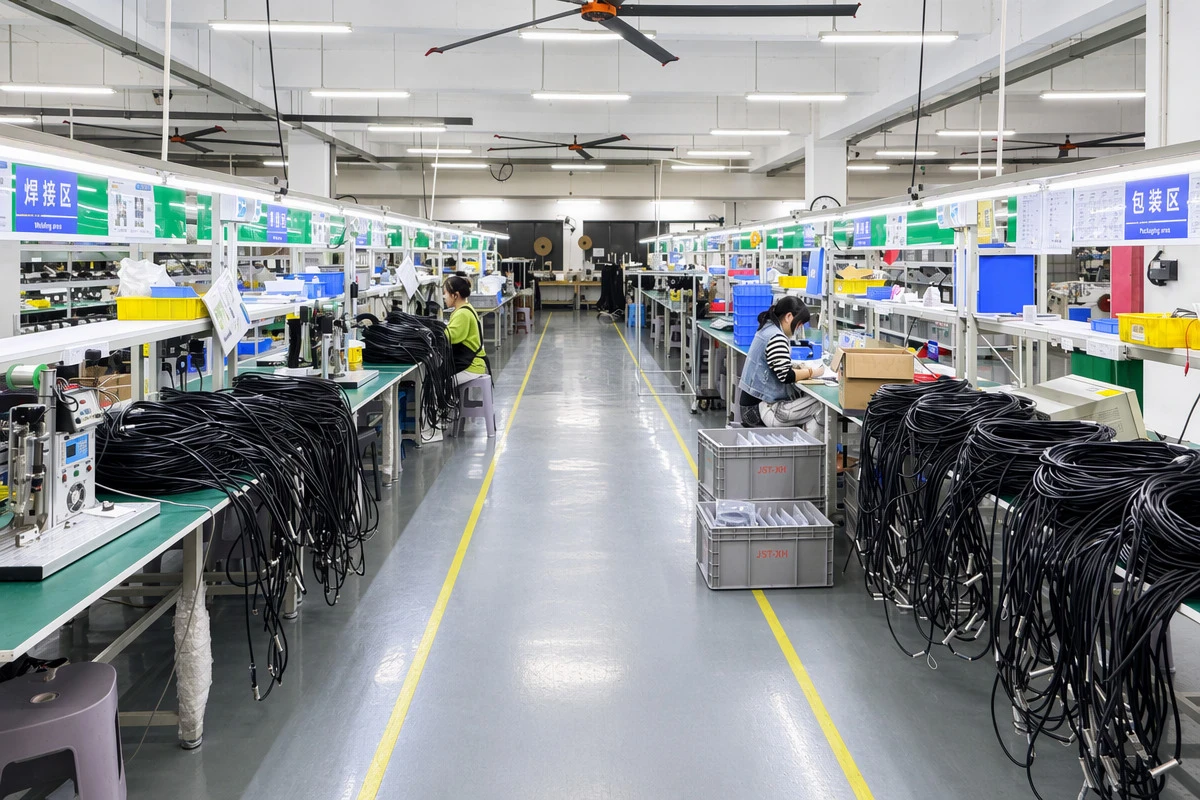
Assembly Workstations Dedicated work areas support point-to-point cable assemblies and multi-branch wire harnesses using approved work instructions. |
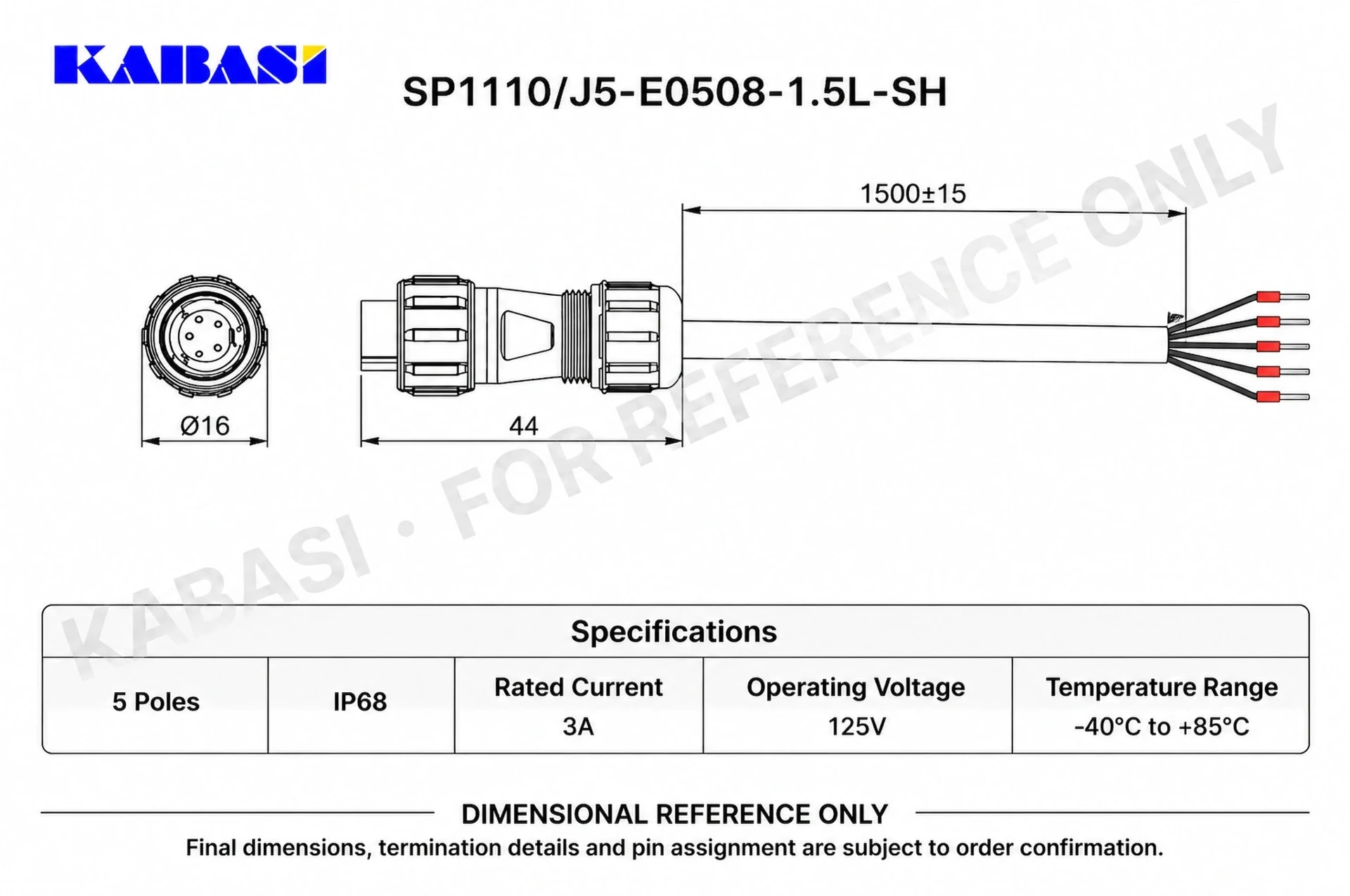
Engineering & Tooling CAD review, fixtures and project-specific tooling support controlled assembly, trial builds and repeat production. |
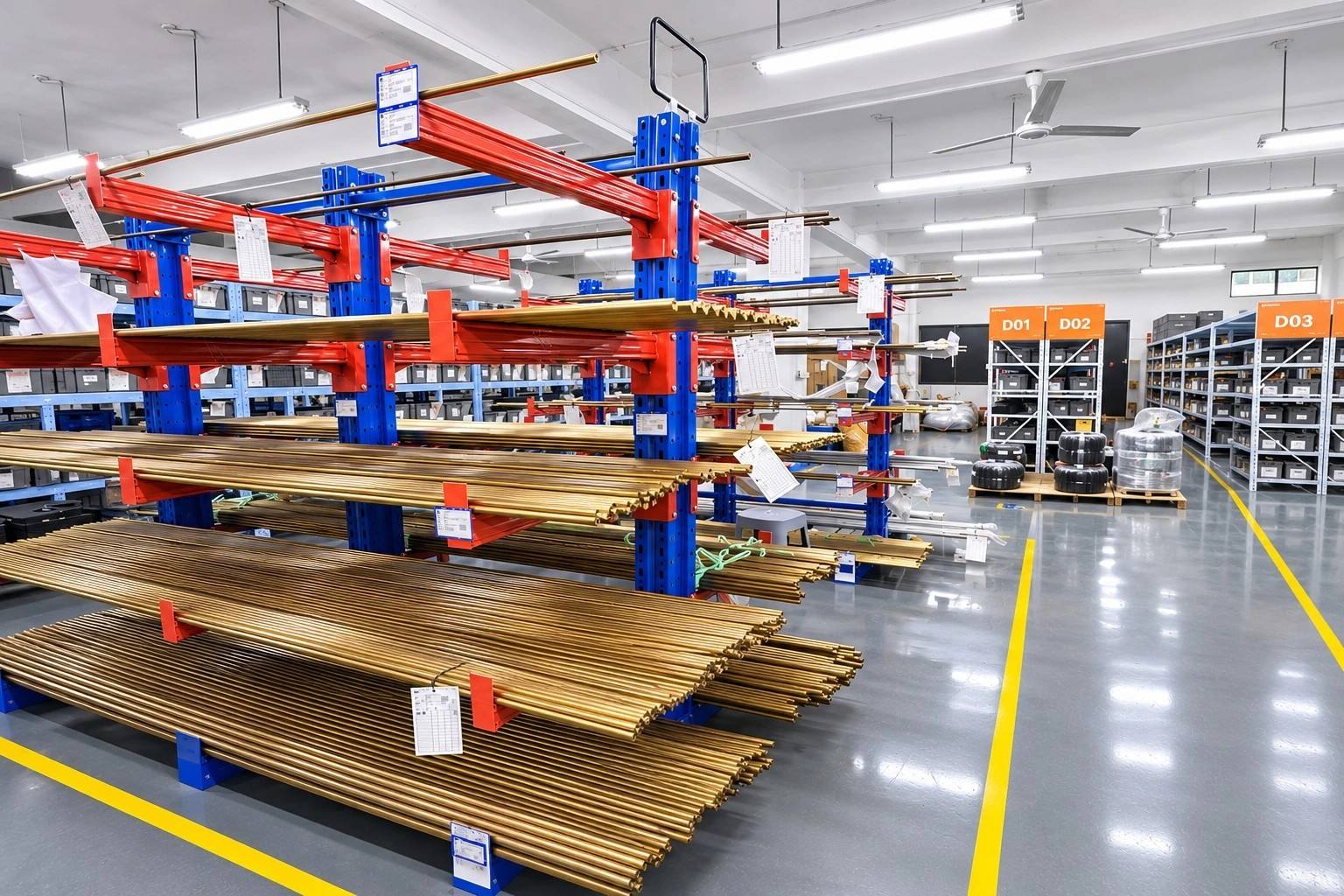
Controlled Material Storage ERP-managed storage and identified material issue support approved BOM control, lot traceability and repeat-order consistency. |
|
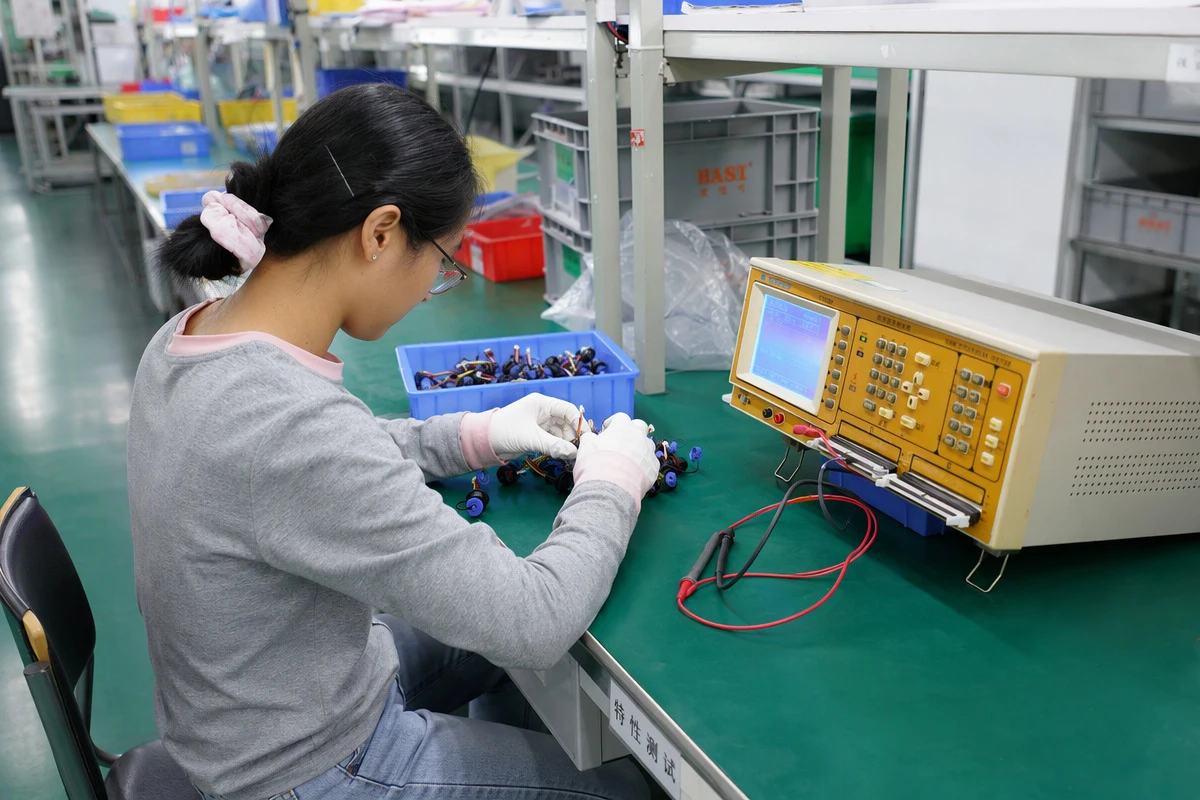
Connection Verification Completed assemblies are checked against the approved connection definition for continuity, shorts and incorrect pin placement before release. |
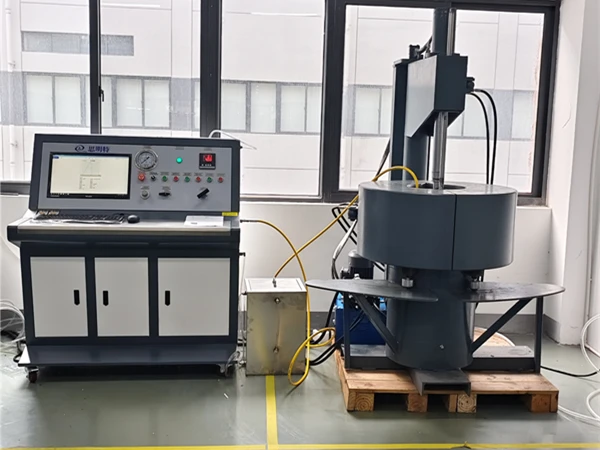
Inspection & Project Testing Workmanship and dimensions are inspected before release. Additional electrical, mechanical or environmental tests are applied when the method and acceptance limits are defined for the project. |
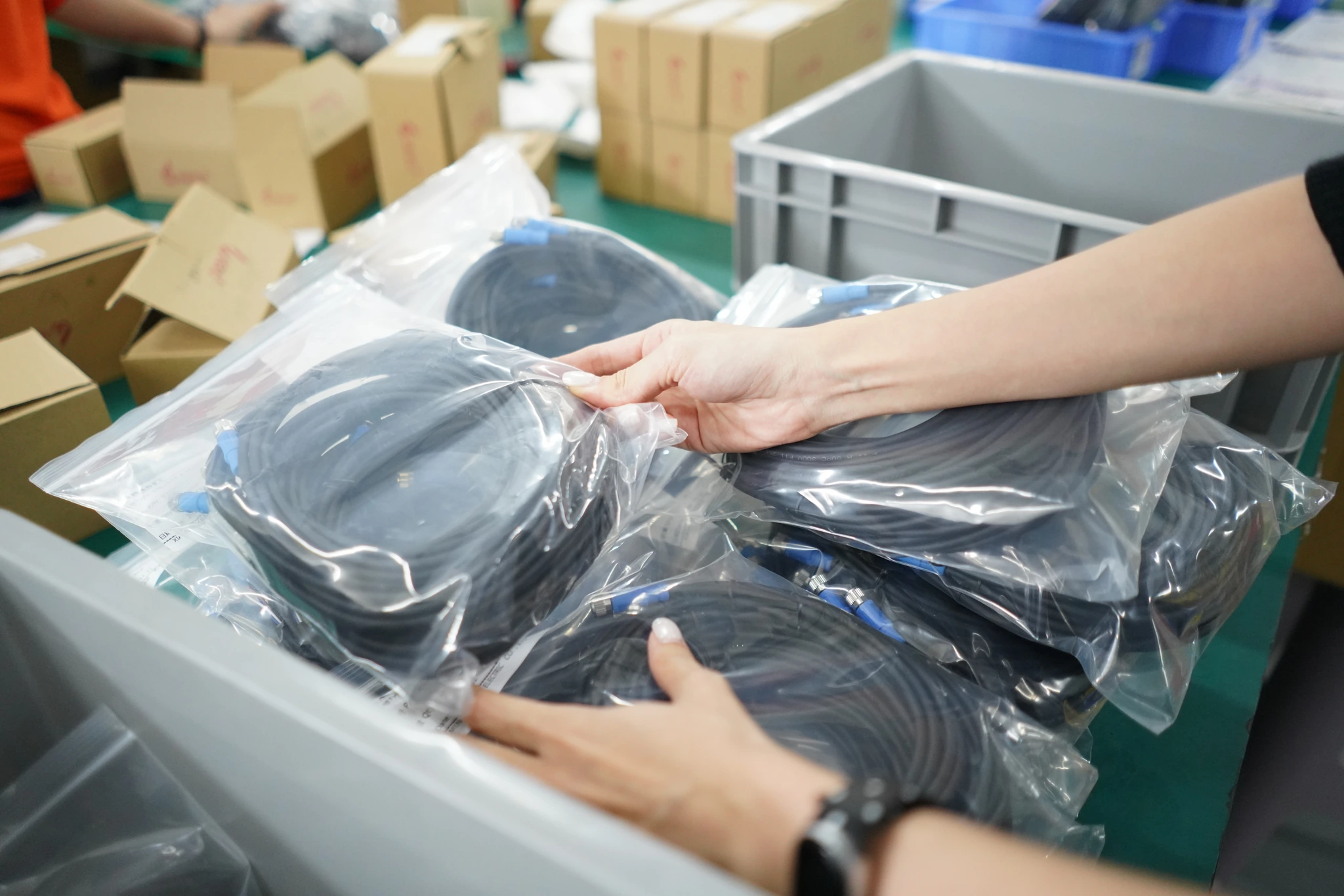
Quality Records & Dispatch Agreed inspection records, lot identification and export packing are maintained according to the approved project scope. |
FAQ
Q: What Information Should I Submit For A Project Review?
A: Send the latest drawing, BOM, wire list, pinout, specification or reference sample available. Include the estimated quantity, operating conditions, required tests and target date. We will return any missing technical points for confirmation.
Q: Can You Start From A Sample Or An Incomplete Drawing?
A: Yes. A reference sample, wire list, pinout or dimensioned photo can start the review. Before production, the materials, dimensions, connections, identification and acceptance requirements must be documented and approved.
Q: Can We Specify Our Own Cable And Connectors?
A: Yes. We accept customer-specified cables, connectors and other components. If availability, MOQ or lead time becomes a concern, proposed alternatives are submitted for approval before they enter the production BOM.
Q: Can You Support Prototypes, Pilot Builds And Repeat Orders?
A: Yes. We support engineering prototypes, pilot builds and repeat production. The appropriate build stage is confirmed after the technical package, material availability, tooling and inspection requirements have been reviewed.
Q: How Are Completed Assemblies Verified Before Release?
A: Completed assemblies are checked against the approved connection definition for continuity, shorts and incorrect pin placement. Workmanship and dimensions are also inspected, with additional project tests performed when specified.
Q: Can You Work To IPC/WHMA-A-620 Requirements?
A: Yes, when the applicable revision, product class and acceptance criteria are defined in the approved project documents. Inspection is performed against those agreed requirements; this does not represent IPC certification or certified-operator status.
Q: Can You Provide First-Article And Lot-Linked Records?
A: Yes. First-article, inspection and lot-linked records can be provided when the required record type, acceptance criteria and documentation scope are agreed during quotation.
Q: How Do You Protect Our Drawings And Project Information?
A: Submitted files are used only to review and manufacture the requested project. Customer names, drawings, BOMs and proprietary part information are handled as project-controlled information. Add any NDA or file-handling requirements to your inquiry.
PROJECT INQUIRY
Start Your Cable Assembly Project
|
Send the latest drawing, BOM, wire list, pinout, specification or reference sample available. Include the estimated quantity, operating environment, required tests and target date. We will review the information and return any technical questions needed to prepare the quotation. Submitted files are used only to review and support the requested project. Add any NDA or file-handling requirements to your inquiry. |