

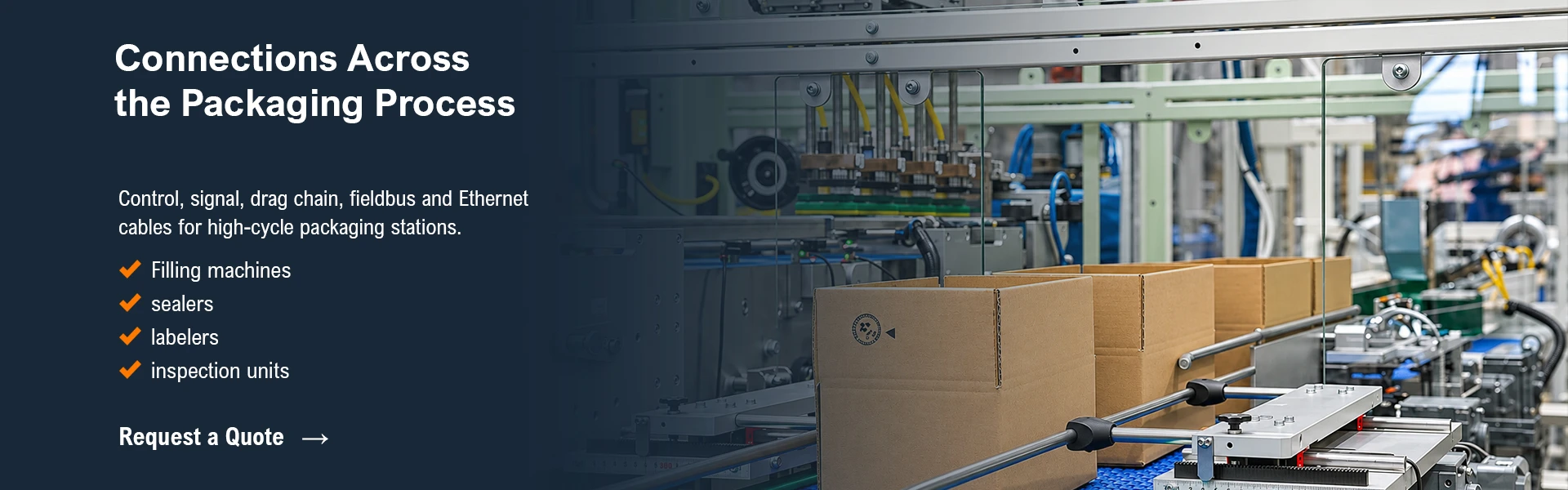
PACKAGING & PROCESSING MACHINERY
Packaging Machinery Cables, Harnesses & Assemblies
Packaging machinery cables serve different jobs as product moves through feeding, dosing, filling, sealing, labeling and inspection. KABASI supplies industrial cable for these stations and builds cable assemblies and wire harnesses to machine drawings.
Start with the station and circuit. Confirm cycle rate, motion path, communication protocol, cleaning method and the finished connection before choosing the cable.
Trace the Packaging Process Chain Review Delivery Options

Electrical Connections Along the Packaging Process Chain
Follow the electrical task from infeed to inspection. Signal type, local heat and movement can change at the next station, even when the two sections share a controller.

01. Infeed and Product Singulation
Electrical Task
Photoelectric and inductive sensing, infeed drive, lane guides and gap control.
Recommended Path
Signal Cables

02. Forming, Bag Making and Film Feed
Electrical Task
Servo film feed, forming collar heaters, registration sensing and encoder feedback.
Recommended Path
Drag Chain Cables Signal Cables

03. Dosing and Filling
Electrical Task
Load cell or flow meter inputs, pump or valve control, level sensing and product presence.
Recommended Path
Control CablesAlso consider Signal Cables
04. Sealing and Heat Sealing
Electrical Task
Heater circuits, thermocouple or RTD feedback, jaw actuation, and pressure or dwell control. Check the sensor's required conductor construction separately from the heater circuit.
Recommended Path
Control CablesAlso consider Signal Cables

05. Labeling, Coding and Marking
Electrical Task
Label gap and product sensors, print triggers, applicator actuation and label data transfer.
Recommended Path
Industrial Ethernet CablesAlso consider Signal Cables

06. Conveying, Diverting and Merging
Electrical Task
Conveyor drives, photoelectric tracking, pneumatic valve islands and reject gates along the packaging line.
Recommended Path
Fieldbus Cables Drag Chain CablesAlso consider Control Cables

07. Cartoning, Wrapping and Palletizing Interface
Electrical Task
Multi-axis coordination, equipment handover and interfaces defined by the machine builder's safety circuit design.
Recommended Path
Control Cables Industrial Ethernet Cables

08. Inline Inspection and Reject
Electrical Task
Vision triggers and strobes, checkweighing, metal detection and reject confirmation. Identify which links carry trigger signals and which carry network data.
Recommended Path
Fieldbus CablesAlso consider Signal Cables / Industrial Ethernet Cables
What High-Speed Repetitive Cycling Changes in Cable Selection

Three Operating States on a Packaging Machine
Static Routing
The cable is fixed to a frame or cabinet and stays in place during machine operation.
Intermittent Actuation
A lead follows the stroke of a sealing jaw, cutter, pusher or gate.
Continuous Tracking
A cable carrier or moving carriage guides the cable through the machine's travel.
How Cycle Rate Changes the Cable Duty
A short, fast stroke can bend the same section repeatedly. A longer stroke changes where the cable travels and how it is supported. Record the action, stroke, repetition rate and acceleration for each moving connection.

Routing Inside a Cable Carrier
- Guide the cable in its bending direction and follow the specified end fixing and strain relief.
- Check separation and clearance where cables with different diameters or jacket materials share the carrier.
- Verify bend radius for the exact cable construction and keep the carrier clear of sharp edges, loose ties and debris.
- TRVV - Moderate-Flex Drag Chain Cable
- TRVU - Highly-Flex Drag Chain Cable
Sensing, Inspection and Actuation Circuits
Review sensor and actuator routes together. A load cell, a fast camera trigger and a switched valve can sit next to each other and have different wiring requirements.
Signal Types Found on Packaging Lines
Digital presence and position
Photoelectric, inductive and reed switches, plus inputs specified by the machine's safety design.
Analog measurement
Load cells, pressure transmitters, flow meters and temperature sensors.
Pulse and encoder feedback
Registration marks, shaft encoders and line-speed references.
Trigger and strobe
Camera trigger, illumination timing and reject confirmation.
Shielding and Grounding Practice
Review signal level, drive proximity and the specified shield termination at the cabinet entry and across section joints. Check shield continuity through the connector where the design requires it.
Separating Detection Signals from Drive Power
Plan a separate route for feedback and detection leads where practical. Use the machine's EMC requirements to confirm separation, crossings and any shared-duct layout.
Actuator Output Circuits
For solenoids, valve islands, brakes and reject gates, confirm current demand, conductor size, how many outputs share the cable and where suppression is provided. Keep these output circuits separate from sensitive feedback where the design calls for it.
- LiYCY - 300/500 V Shielded EU Standard Data Cable
- LiYY / LiYY-TP - 300 V Unshielded EU Standard Data Cable
Synchronized Motion Between Stations
Film feed, sealing and label application can share a position reference. Match the feedback and network links to the machine's timing requirements and the way each cable is installed.
Master Reference and Follower Axes
A virtual or physical master can supply position references to film feed, jaws, conveyors and label applicators. When timing slips, review the controller, drive, feedback and trigger links together.
Communication Cycle and Motion Networks
Confirm the specified network, cable designation, shield, connector interface and whether the segment stays fixed or follows an axis.
Matched Feedback Paths
Where the control design specifies matched feedback routes, record each cable length, route and joint count. Verify timing against the control-system and cable documentation.
- PROFINET and EtherCAT - check the specified Industrial Ethernet cable
- TRVU - verify the actual moving-axis installation against the cable documentation
Machine Section Interconnection and Field Networks
Confirm the electrical handoff between the infeed, filler, sealer, labeler and case packer before the sections are joined on site.
Section-to-Section Interfaces
Confirm the connector type and mating pair, pin assignment at both ends, length allowance and strain relief. Identify joints that will be opened for shipping or format changes.
Fieldbus Level
For CAN Bus, CC-Link, DeviceNet, PROFIBUS or RS485, check the specified cable construction, impedance, shielding, topology and termination requirements for the link.
Industrial Ethernet Level
For PROFINET Type A, B, C or R, or an EtherCAT link, check the required designation, cable category, fixed or moving installation and machine-builder interface.
Topology and Potential Equalization
Confirm the topology and joint count, then review frame bonding and the shield reference across sections with the machine builder's grounding and EMC design.
- CAN Bus · CC-Link · DeviceNet · PROFIBUS · RS485 - Fieldbus Cables
- PROFINET Type A, B, C and R · EtherCAT - Industrial Ethernet Cables
- YSLY / YSLCY / YSLYCY - 300/500 V Control Cables
Control Cabinet and Internal Machine Wiring
Match cabinet wire to the drawing and define the connections to drives, relays, terminals, valve outputs and sensor inputs.

UL Style Constructions
Where the drawing specifies an AWM Style, match the exact construction and verify recognition for the supplied cable and manufacturer.
European Harmonized Constructions
Review the H03, H05 or H07 construction specified by the drawing. Verify any applicable conformity documentation separately.
Cable and Wire Options
UL Style Cables European Harmonized Cables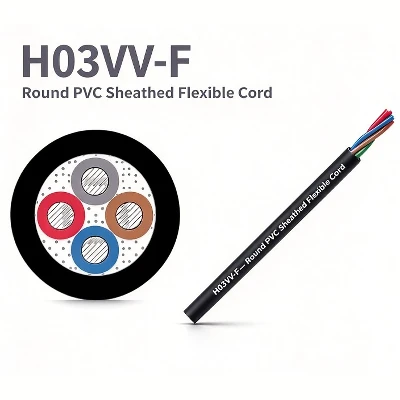
Harness Documentation
Show connectors, terminals, pinout, wire colors or numbers, branch points and lengths, protection and marking. Include a wire list so the built harness can be checked against the drawing.
- YSLY - 300/500 V Unshielded PVC Control Cable
- YSLCY - 300/500 V Shielded PVC Control Cable
- YSLYCY - 300/500 V Shielded Double-Sheath Control Cable
Cleaning, Oil and Dust: Confirming the Environment
Product Specification and Validation Boundaries
Hygienic design, food-contact suitability, washdown and ingress protection ratings, and cleanroom use require a declared specification for the exact product and validation by the machine builder. Review those requirements for the actual cleaning regime and exposure at the cable route.
Cleaning Method
Record dry wiping, damp wiping, rinsing or foam cleaning. Include frequency, temperature and whether the cable or its joints are directly exposed or behind a guard.
Oil, Product Residue and Dust
Identify the lubricants, film trim, paper dust or powder near the cable. Record how often contact occurs and how residue is removed from carriers and joints.
Heat Near Sealing Stations
Measure temperature at the cable route during operation. Check how close the route is to the sealing jaw and whether the machine layout can keep the cable out of direct radiant heat.
Three Delivery Routes for a Packaging Machine Project
Choose by what the drawing defines and where cutting and termination will happen.
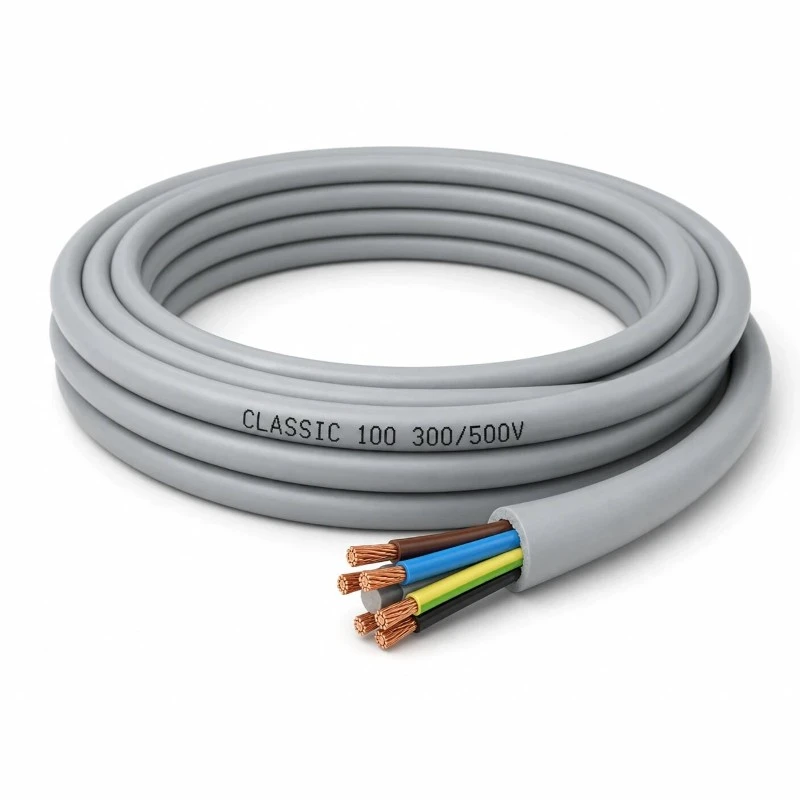
Industrial Cable Supply
For machine builders and integrators that cut, terminate and install cable in their own workshop.
Packaging Applications
Cut-to-length frame runs for an infeed or conveyor section · Panel wiring completed in the builder's workshop
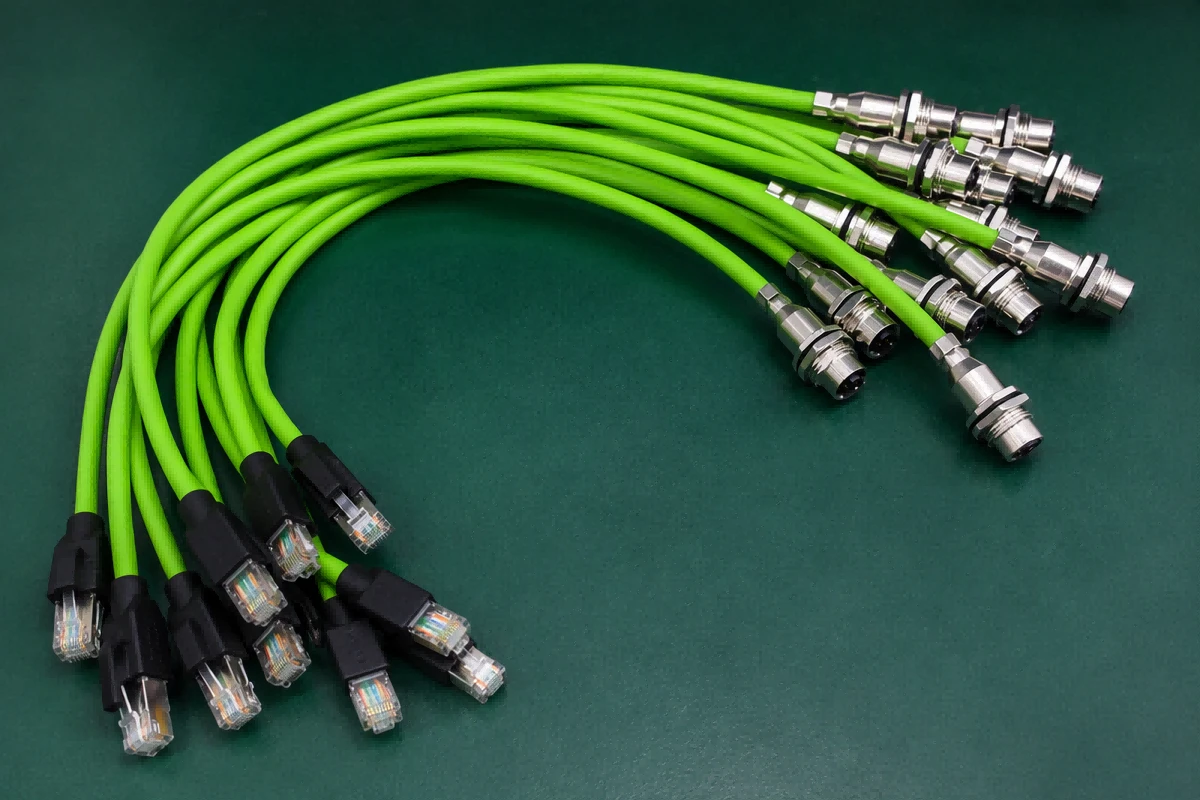
Point-to-Point Cable Assembly
One defined connection with two endpoints, a base cable, finished length, pinout and end terminations.
Packaging Applications
Load cell to weighing terminal · Print head to controller · Vision trigger lead · Label applicator to cabinet · Section-to-section network patch
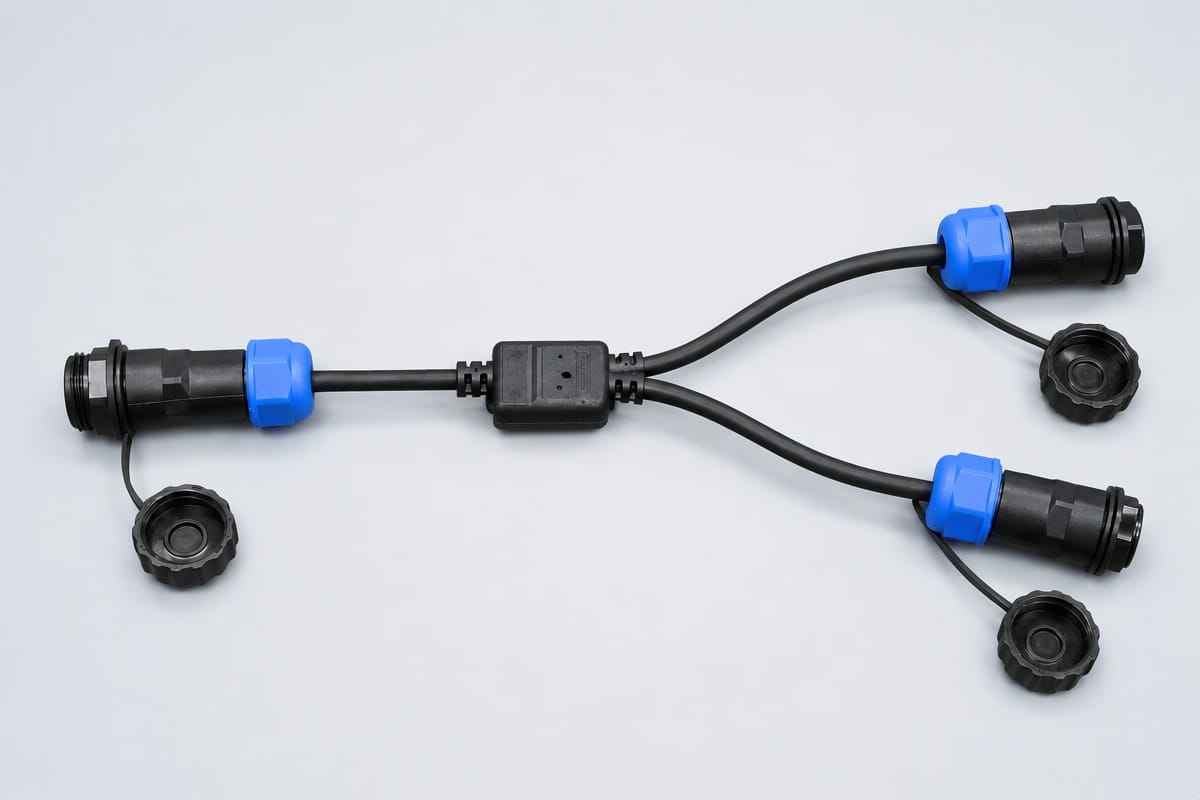
Multi-Branch Wire Harness
Multiple wires, branches and endpoints built to a defined connection matrix and identification scheme.
Packaging Applications
Valve island branches along a conveyor · Multi-sensor labeling head · Cabinet-to-station bundle · Disconnects for format changes
Information to Confirm for a Packaging Line Cable Project
Information to Confirm
Infeed, forming, filling, sealing, labeling, conveying, cartoning or inspection
Control, signal, feedback, power or communication
Static routing, intermittent stroke or continuous tracking. Include stroke, cycle rate and acceleration.
Voltage, current, conductor size and core or pair count
CAN, CC-Link, DeviceNet, PROFIBUS, RS485, PROFINET or EtherCAT
Cleaning method, oil, product residue, dust, radiant heat and measured temperature at the route
Connector type, pin assignment, length allowance and opening for transport or format changes
Connector, terminal, pinout, branch layout and finished length
Specified brand, UL Style, H-code, markings and required product documents
Is a Cable Brand Specified in the BOM?
When the drawing or BOM names a manufacturer or product family, check the available brand category before confirming the exact product and documents. Brand names are used solely to identify customer-specified cable.
Packaging Machinery Cable FAQs
Why can a short, fast stroke need a different cable from a long, slow travel?
A short, fast stroke can repeatedly bend the same section of cable. Record the stroke, repetition rate, acceleration, radius and fixing points so the cable can be checked against the actual duty.
Can the same cable be used for filling, sealing and labeling stations?
Check each circuit separately. Filling may use analog measurement, sealing can combine local heat and jaw movement, and labeling can involve trigger and data links. A shared specification only works when it meets each circuit's requirements.
Do I need shielded cable for load cells and vision triggers?
Evaluate shielding for low-level measurement or trigger lines near drives. Check signal level, routing, separation from drive power and cabinet grounding before specifying the cable.
What causes a registration or sealing fault that appears only at high speed?
Start by checking machine timing and the encoder reference. Review trigger routing, joints, shield continuity and the moving segment's documented duty alongside the controller and drive settings.
Is a hygienic or food-contact cable available for packaging machines?
A hygienic-design or food-contact requirement needs a declared specification for the exact cable and validation by the machine builder. Provide the contact zone and cleaning regime so the applicable documentation can be reviewed before selection.
Should a line be wired with cable assemblies or with a harness?
Use a point-to-point assembly for a defined link, such as a load cell lead or network patch. Use a harness for a station with several branches, such as a labeling head or a conveyor valve island.
Review Your Packaging Line Cable Requirement
Send the drawing or BOM with the station, electrical function, cycle and motion, protocol, cleaning method and finished connection. KABASI can review the cable category and delivery route.
Send Your Drawing or BOM Browse Industrial CablesIndustries / Packaging & Processing Machinery